


Selecting the Right Drivetrain Chain Replacement
Drivetrain wear happens gradually, causing slipping gears, noisy pedaling, and sluggish shifts when an aging chain stretches out. Selecting a proper replacement requires matching the exact cog count on your rear cassette or freewheel rather than grabbing any link set off the shelf. Cyclists looking for best selling fast charging chain bike components need to balance speed compatibility with link counts and durable steel construction. Whether you pedal a city commuter or handle higher torque on an electric dirt bike for adults, an appropriately sized chain protects expensive sprockets from premature wear.
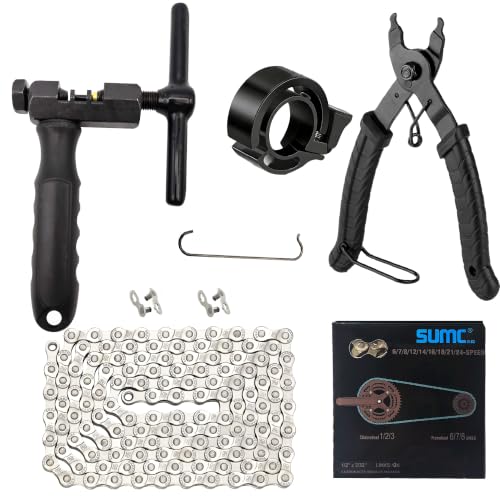
Most multi-speed drivetrains rely on narrow 6/7/8-speed chains measuring 1/2″ x 3/32″, while single-speed cruisers and BMX bikes use wider 1/2″ x 1/8″ dimensions. Many replacement kits bundle chain breaker tools, link pliers, and reusable quick buckles so riders can size their chains at home. Verifying pin length, total link count, and manufacturer guidance ensures your new chain meshes smoothly with your existing gears.




Frequently Asked Questions
How do you choose the right chain speed for your bike?
Count the rear cogs on your cassette or freewheel to determine the speed you need. A bike with seven rear cogs requires a 6/7/8-speed chain rather than a narrower 9- or 10-speed design. Chains become narrower as cog counts increase to fit tightly spaced sprockets, so picking the wrong width causes shifting issues and chain rubbing.
What is the difference between 1/2″ x 1/8″ and 1/2″ x 3/32″ chains?
The internal roller width separates these two sizes, with 1/8″ being wider than 3/32″. Single-speed bikes, cruisers, and BMX models typically run 1/2″ x 1/8″ chains over wider sprockets. Derailleur-equipped 6-, 7-, or 8-speed bikes need 1/2″ x 3/32″ chains to navigate tight cassette spacing without binding against adjacent gears.
Do replacement bicycle chains come pre-sized for every frame?
Replacement chains arrive longer than required and must be sized to match your bicycle drivetrain. Retail chains generally provide 112 to 126 links. You will need a chain breaker tool to press out excess pins so the new chain matches your old link count and maintains proper rear derailleur tension.
What tools are needed to install a chain with a quick link?
Installing a chain with a quick link requires a chain breaker tool and link pliers. The breaker sizes the chain to the proper link count, while master link pliers lock or unlock the connecting plates. Riders outfitting utility builds with a best selling fast charging bike basket often carry these compact tools for straightforward trailside repairs.
Can an electric bike use a standard multi-speed chain?
Standard chains work if the speed rating matches, but e-bikes place much greater torque on the drivetrain. Mid-drive motors exert extra tension that can stretch standard links more quickly. Checking for high-tensile carbon steel or manufacturer-rated e-bike compatibility helps ensure the chain handles motorized torque reliably.




Write Your Review
No reviews yet. Be the first to share your experience!