


Matching Drivetrain Specifications for Reliable Shifting
Drivetrain compatibility issues often catch cyclists off guard during routine chain replacement. A mismatched chain width causes sluggish shifts, drivetrain chatter, or accelerated cog wear. When you need dependable cadence on daily rides, selecting the best high speed chain bike component ensures your links mesh smoothly with each cog. Riders who handle high torque, much like riders operating an electric dirt bike for adults, understand that chain tensile strength matters for smooth power transfer.
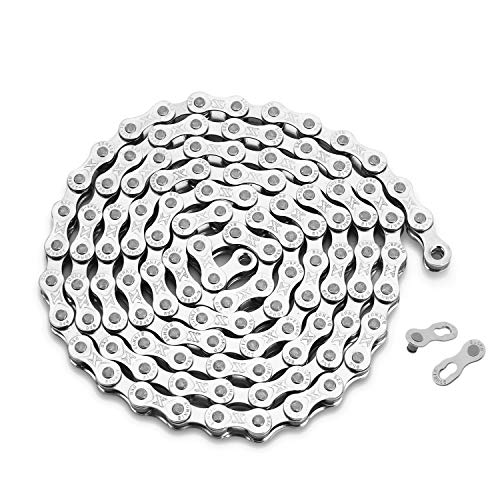
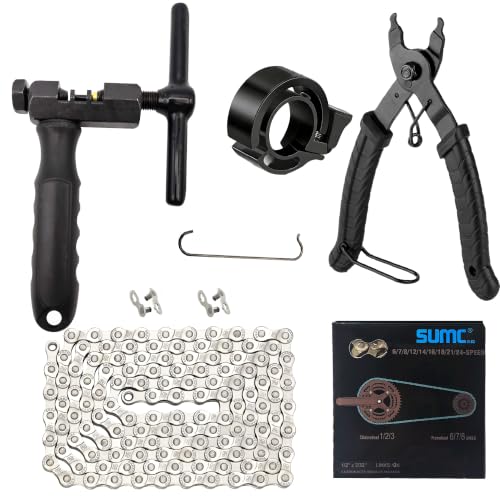
Modern replacement kits often bundle master links and chain breaker tools so you don’t have to scramble for extra hardware in your workshop. Taking time to verify your rear cog count before ordering prevents loose chain pins and sloppy derailleur tracking. Routine cleaning paired with a quality bicycle chain lubricant keeps friction low and protects expensive chainrings over hundreds of miles. The following drivetrain options cover diverse speeds and configurations to match your specific setup.





Frequently Asked Questions
How do you determine which chain speed matches your bike?
Count the sprockets on your rear cassette or freewheel. A bike with 7 rear cogs requires a 6/7/8-speed chain, whereas a single-speed drivetrain requires a wider 1/2 x 1/8 inch chain. Chains narrow in external width as rear cog counts increase, so matching your gear count ensures clean alignment.
Can you install an 8-speed chain on a single-speed bicycle?
Most multi-speed chains are too narrow to seat properly on single-speed sprockets. Single-speed setups generally use 1/2 x 1/8 inch chains designed for thicker non-derailleur chainrings and cogs. Using a narrower multi-speed chain can cause binding, rough pedaling, or link damage.
What tools do you need to size and fit a replacement chain?
Sizing a new chain requires a bicycle chain breaker to press out excess pins. Many replacement chains include reusable master links, which you can connect using link pliers. If your new chain has extra links, match the length of your previous chain before trimming.
Does carrying heavy commuter cargo cause faster bicycle chain wear?
Carrying heavy cargo increases drivetrain tension and accelerates link pin wear over time. If you haul groceries or daily gear in a smart bike basket, your chain experiences higher torque during pedaling. Measuring link stretch regularly with a chain checker gauge helps you replace links before they damage your gears.
How often should you clean and lubricate a bicycle chain?
Clean and lubricate your bicycle chain every 100 to 150 miles under dry road conditions. Wet or dusty routes demand more frequent attention to prevent grit from grinding down inner rollers. Always wipe away excess lubricant with a clean rag to stop dirt from sticking to outer link plates.




Write Your Review
No reviews yet. Be the first to share your experience!