


Matching the Right Chain to Your Single-Speed Drivetrain
Drivetrain compatibility often catches riders off guard when replacing a single-speed chain. Standard BMX setups typically demand a sturdy 1/2-inch by 1/8-inch chain to fit wider sprockets, whereas multi-speed bicycles rely on narrower 3/32-inch links. Pinpointing the best bmx chain bike component means checking your chainring width, driver tooth thickness, and required link count before buying. Unlike high-powered motor builds like an electric dirt bike for adults, a traditional pedal drivetrain relies entirely on precise manual chain alignment to prevent unexpected drops. Investing in a properly sized chain helps maintain consistent pedaling tension and prevents premature wear across your drivetrain sprockets.
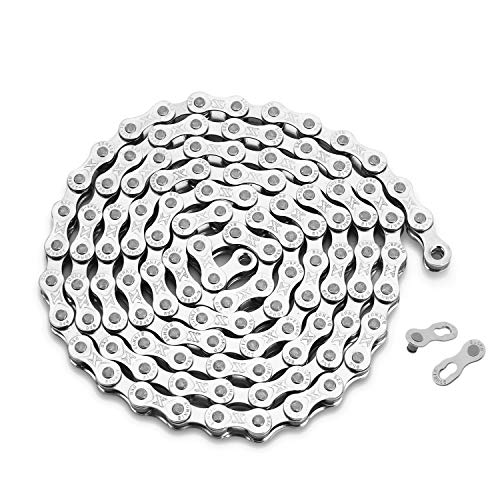
Link construction also dictates how well a chain withstands hard landings and aggressive sprocket contact. Heavy-duty standard links offer dependable simplicity for street and park riding, while half-link designs give you the flexibility to micro-adjust rear wheel placement in short dropouts. Reliable single speed bike chain options usually come with dedicated master links or snap connectors to make sizing and installation manageable with a basic chain tool. Reviewing listed specifications ensures the total link count fits your gear ratio and frame length without requiring extra extensions. Clean lubrication and steady chain tension will keep your setup rolling smoothly session after session.


Frequently Asked Questions
What chain size does a standard BMX bike require?
Most traditional BMX setups require a 1/2-inch by 1/8-inch chain. This measurement reflects the pitch between pins and the internal width between inner plates, which fits standard single-speed sprockets. Some lightweight racing setups use narrower 3/32-inch chains, so verifying your sprocket thickness is essential before purchasing replacement links.
What is the benefit of a half-link chain on a BMX?
A half-link chain lets you adjust your rear wheel position by half a link length rather than a full link. This granular adjustment helps riders dial in chain tension on frames with short dropouts without having to change gear ratios. Half-link options are often heavier than standard chains, but they solve fitment issues on tight rear triangles.
How do you determine the correct chain length for a BMX drivetrain?
Wrap the chain around the front sprocket and rear driver with the rear axle set in the forward portion of the frame dropouts. Mark where the ends meet, add the necessary inner and outer link overlap for your connector, and remove extra links using a chain breaker tool. Leaving slight adjustment room allows you to pull the wheel back to achieve proper tension.
Can you use a multi-speed chain on a single-speed BMX?
No, standard multi-speed chains are generally too narrow to fit 1/8-inch BMX sprockets. While some multi-speed chains fit 3/32-inch sprockets, they lack the lateral rigidity and plate thickness designed for single-speed abuse. Riders outfitting cargo cruisers with a smart bike basket or derailleur gears need multi-speed chains, but dedicated single-speed BMX setups require matching single-speed components.
Do BMX chains come with a master link?
Most packaged replacement chains include a connecting link, though the style varies by manufacturer. Standard chains frequently supply a clip-style master link or quick release link, while heavy-duty or half-link designs often require a dedicated connector pin. Always inspect the product description to confirm what connector hardware is included in the package.
Why do riders install a chain tensioner on a BMX?
A chain tensioner prevents the rear axle from slipping forward under hard pedaling forces. Products like the SE Bikes chain tensioner bolt directly against the frame dropouts to hold the wheel firmly in place. Using tensioners makes wheel alignment straightforward and keeps chain slack consistent over time.




Write Your Review
No reviews yet. Be the first to share your experience!