


Selecting the Right Drivetrain Chain for Mountain Riding
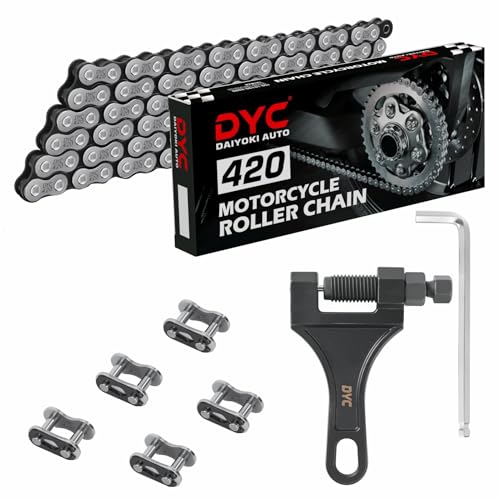
Riding rough trails quickly exposes a worn or mismatched bicycle chain. Selecting the correct replacement comes down to matching your rear cassette cogs and checking inner plate width rather than guessing. Mountain bike drivetrains place unique demands on shift ramps, so finding the best chain bike mountain setup requires matching speed ratings and link counts. Multi-speed drivetrains depend on lateral flex, whereas motorized machines like an electric dirt bike for adults rely on much thicker, dedicated chains.
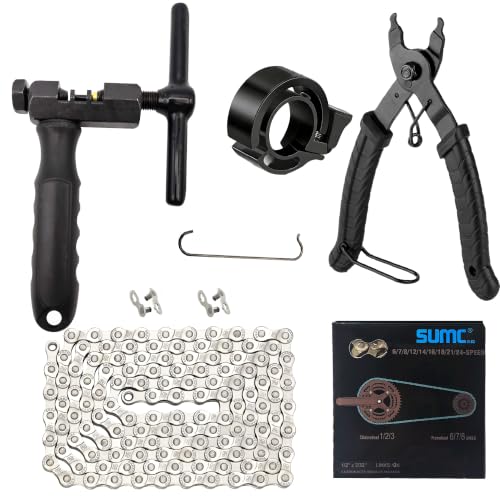
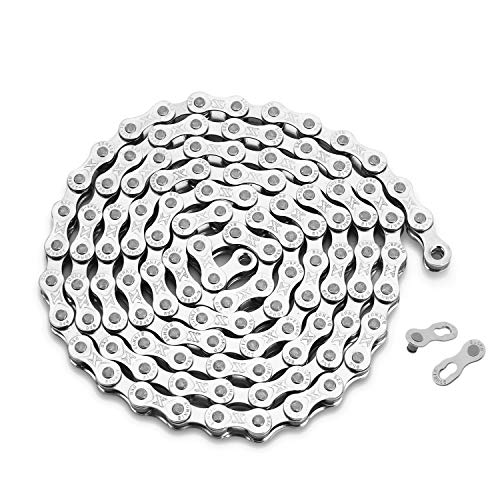
Chain width narrows noticeably as you move from 7-speed to 9-speed drivetrains, so wider chains will jam on modern narrow sprockets. Most replacement options arrive at factory lengths of 112 to 116 links, requiring a chain breaker tool to size properly before installation. You should also confirm whether the package includes a reusable quick link or standard pin. Regular cleaning and proper lubrication protect both the chain and your rear cassette teeth from premature wear.





Frequently Asked Questions
How do I know which chain speed matches my mountain bike?
Count the cogs on your rear cassette to determine the required speed rating. An 8-speed cassette requires an 8-speed chain, while a 9-speed setup needs a narrower chain for tighter cog spacing. Chains labeled for 6, 7, and 8 speeds typically share the 1/2-inch by 3/32-inch size and interchange across those setups. Using the wrong speed rating causes poor shifting or chain jamming.
Can I install a new mountain bike chain without shortening it?
Most replacement bicycle chains require shortening before use. Chains usually arrive with 114 to 116 links, which is longer than most mountain bike setups need. Measure the new chain against your old chain to find the correct length. A chain breaker tool pushes out the excess pin so you can attach the connector.
What is the difference between a single-speed chain and a multi-speed mountain chain?
Single-speed chains use a wider 1/8-inch internal dimension, whereas multi-speed drivetrains require 3/32-inch or narrower chains to clear cassette cogs. A 1/8-inch chain cannot pass through a derailleur cage or between gear sprockets. Always check product specifications to confirm derailleur compatibility before ordering.
Can I use a commuter or utility bicycle chain on a trail bike?
Yes, provided the speed rating and width match your cassette. Many chains fit cruisers, hybrids, and mountain bikes sharing 6, 7, or 8-speed gears. However, trail riding places higher stress on shifts than hauling gear with a smart bike basket on pavement. Aggressive trail riders should look for chamfered plates and hardened pins.
How often should I check for chain wear on a mountain bike?
Check chain wear every few hundred trail miles or when shifting feels sluggish. Dirt and mud accelerate wear on internal pins, causing the chain to stretch over time. A chain checker tool shows when links reach 0.5% or 0.75% wear. Replacing the chain early prevents damage to your cassette teeth.



Write Your Review
No reviews yet. Be the first to share your experience!