


Key Drivetrain Factors Before You Replace Your Chain
Drivetrain compatibility often causes hesitation when a worn bicycle chain begins skipping under load or making excess noise. Riders quickly notice that chains are not one-size-fits-all, as link width and pin length vary significantly between single-speed setups and modern multi-gear cassettes. Shopping for the best universal chain bike option requires verifying your cassette speed count and outer link dimensions before you order a replacement. Taking a moment to inspect your drivetrain saves time and helps keep shifting crisp across every gear. Commuting with extra cargo in a urlife bike basket means a properly matched chain helps your bicycle handle pedal pressure smoothly.
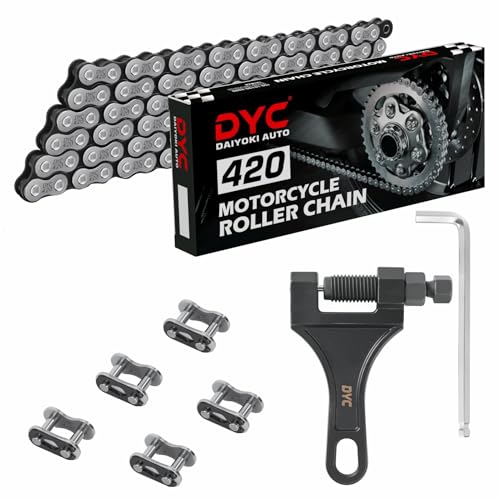
Most replacement projects also require practical accessories such as chain tools, a master link, or dry lubricants to get your bicycle road-ready. You will want to verify whether your replacement chain includes connecting links or requires specialized pliers to finish the setup. Some chain kits cater specifically to 6, 7, or 8-speed systems, while dedicated single-speed chains feature a wider 1/2-inch by 1/8-inch design that will not clear derailleur cages. Double-checking your drivetrain specifications ensures every link meshes cleanly with your chainrings without unwanted friction.


Frequently Asked Questions
Is there a truly universal bike chain that fits every bicycle?
No single bicycle chain fits every bike model. Drivetrains vary widely between single-speed setups and multi-speed cassettes ranging from 6 to 12 speeds. As gear counts increase, the spacing between cogs narrows, requiring thinner chains with shorter pins. Always match your chain choice to your specific rear cog count.
What is the difference between 1/8-inch and 3/32-inch chains?
The difference lies in the internal width between inner chain plates. A 1/8-inch chain is wider, making it standard for single-speed, BMX, and cruiser bicycles. Meanwhile, 3/32-inch chains are narrower to fit derailleur systems with multiple rear gears. A 1/8-inch chain is too wide to clear multi-speed derailleur cages.
How do you determine the correct chain length before installation?
Chain length depends on your bicycle’s chainstay length and cog sizes. Most replacement chains ship with 112 to 116 links and require trimming with a chain tool. You can count the links on your old chain or loop the new chain around the largest chainring and largest rear cog to measure proper sizing.
Can you install a standard bike chain on a motorized cycle?
Standard bicycle chains are generally not built for high-torque motorized use. Conventional chains handle human pedal power, whereas high-torque builds like an electric dirt bike for adults require reinforced pins and heavier plates. Check your manufacturer guidelines to confirm whether your setup requires a specialized e-bike rated chain.
How often should you clean and lubricate a bicycle chain?
Cleaning and lubricating your chain every 100 to 150 miles maintains smooth operation. Wet, salty, or dusty conditions demand more frequent maintenance to prevent premature roller wear and corrosion. Applying a quality dry lube keeps grit from sticking, while wiping off excess oil prevents grime from accumulating on your cogs.




Write Your Review
No reviews yet. Be the first to share your experience!