


Matching Drivetrain Compatibility for Bicycle Chains
Selecting the correct replacement chain comes down to matching your cassette cog count and derailleur spacing. A mismatch in chain width can cause gear slipping, noisy pedaling, or premature wear across your drivetrain. When shopping for a best selling universal chain bike option, universal rarely means one size fits all setups. Chains are tailored to specific gear ranges like single-speed or 6/7/8-speed drivetrains, which determine the required plate width. Verifying your bike’s drivetrain specs before purchasing keeps your ride running smoothly.
Chain length and connection hardware matter just as much as width. Most replacement chains feature 112 to 116 links, requiring a chain tool to trim the length to fit your bicycle. Whether you ride a daily commuter with a smart bike basket or a weekend cruiser, quick-connect master links make installation straightforward. Routine lubrication and clean maintenance habits keep your new chain quiet and responsive on every ride.




Frequently Asked Questions
Does a universal bike chain fit every bicycle?
No, universal bike chains are not compatible with every bicycle drivetrain. The term universal usually means the chain works across multiple brands within a specific speed rating, such as 6, 7, and 8-speed systems. Single-speed bikes need wider 1/2″ x 1/8″ chains, while multi-speed bikes require narrower plates. Installing the wrong width can lead to jammed links or gear slip.
How do you choose the right speed rating for your chain?
Count the sprockets on your rear cassette or freewheel to determine the speed count. A bicycle with seven rear cogs needs a 6/7/8-speed chain, whereas a single rear cog uses a single-speed chain. Multi-speed setups need narrower chains to navigate tight spacing between cogs. Always check your derailleur and cog count before ordering.
Do replacement bike chains require sizing before installation?
Most replacement chains arrive longer than needed and must be sized to your bicycle. Standard packages contain 112 to 116 links, which you trim with a chain breaker tool to match your drivetrain length. Sizing the chain correctly maintains proper rear derailleur tension and prevents chain drop. Quick links then allow you to close the chain easily.
Can a standard multi-speed chain handle electric bikes?
Standard chains work on basic pedal-assist models, but high-torque motors place higher stress on chain plates. Powerful setups like an electric dirt bike for adults require reinforced components designed for high torque. If you ride an electric commuter, confirm whether the chain listing states e-bike compatibility. Choosing a reinforced chain prevents premature stretching under heavy motor assist.
What tools are required to install a new bicycle chain?
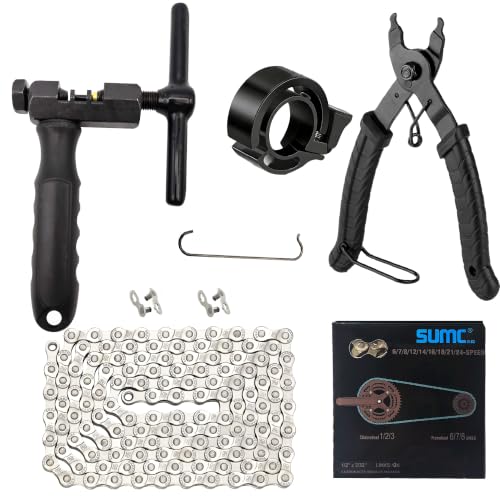
You primarily need a chain breaker tool and a master link plier. The chain breaker pushes out pins to shorten the chain to the correct link count for your bike. Link pliers help snap master link connectors together securely and allow easy removal for cleaning. Many replacement kits bundle these tools directly with the chain.




Write Your Review
No reviews yet. Be the first to share your experience!