


Matching Replacement Chains to Bicycle Drivetrains
Selecting the proper bicycle chain often feels confusing because pin widths and link counts vary across gear setups. A chain built for an older single-speed cruiser won’t mesh with a modern cassette, causing slipping. Understanding these drivetrain requirements makes identifying the best qaba chain bike replacement much simpler for regular maintenance. Whether you’re repairing a commuter ride or inspecting an electric dirt bike for adults, checking rear sprocket counts is the key first step.
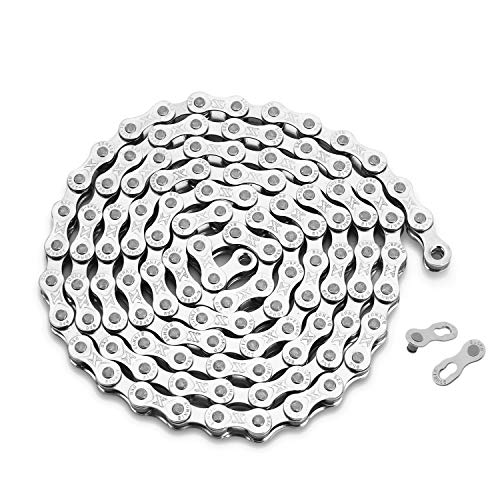
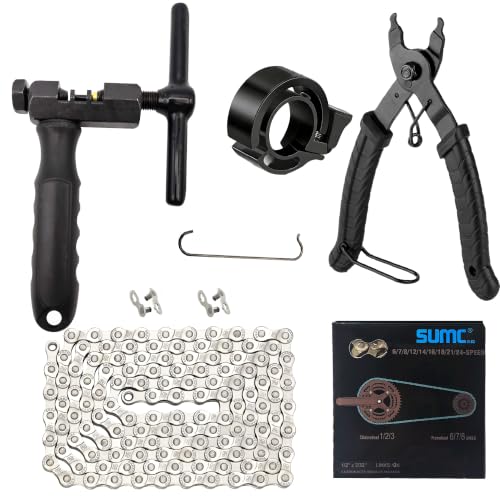
Replacement chains arrive in standard lengths like 112 or 116 links, requiring a chain tool to trim excess links. Modern drivetrains rely on master links or reusable buckles that simplify installation without damaging outer plates. Checking the stated speed ratings guarantees that your new bicycle drivetrain chain matches your rear sprockets smoothly. Keeping a spare connector link in your saddle bag also provides peace of mind during unexpected chain breaks.




Frequently Asked Questions
How do you match a replacement chain to your bicycle speed?
Count the rear sprockets on your cassette or freewheel to determine your speed requirement. A drivetrain with seven rear cogs requires a 6, 7, or 8-speed chain to fit between tight cogs. Installing a wider single-speed chain on multi-cog systems causes severe jamming. Always verify the manufacturer speed designation before ordering.
What is the difference between single-speed and multi-speed chains?
Single-speed chains feature a wider internal width of 1/8 inch, while derailleur chains measure 3/32 inch. The wider construction suits BMX and cruiser bicycles that run a single cog. Multi-speed drivetrains require narrower chains and flexible side plates to shift cleanly between cassette gears. Using the wrong width will quickly cause drivetrain binding.
Do replacement chains need to be sized before installation?
Yes, most replacement chains arrive with 112 to 126 links and must be shortened for your frame. You can match the length against your previous chain or wrap it around the largest sprockets. Removing excess links requires a standard chain breaker tool to press out pins cleanly. An oversized chain causes chain slap and frequent dropped gears.
How does a quick link or chain connector buckle work?
A quick link connects both chain ends with slotted outer plates that lock firmly together. This design allows quick installation without pushing pins through link plates. Reusable buckles also simplify chain removal for periodic drivetrain cleaning. If you commute with a commuter bike basket, carrying a spare master link prevents long walks home if a link snaps.
When should you replace a worn bicycle chain?
Replace your chain when a chain wear indicator tool shows 0.5% to 0.75% pin stretch. Riding on an elongated chain accelerates wear on expensive cassette cogs and front chainrings. Regular lubrication and periodic wear checks help maintain crisp gear shifting. Replacing a chain promptly prevents more costly drivetrain repairs later.




Write Your Review
No reviews yet. Be the first to share your experience!