


Selecting the Right Drivetrain Chain and Portable Repair Gear
Matching a replacement chain to your bicycle drivetrain requires close attention to cog counts, inner plate width, and overall link length. Using the wrong chain width can cause sluggish shifting across your cassette or lead to premature sprocket wear. Shoppers looking for a best selling portable chain bike setup often need both a reliable replacement chain and a compact chain breaker for roadside repairs. Confirming whether your bike uses a 1/8-inch or 3/32-inch width ensures smooth power transfer. Heavy-duty drivetrains on an electric dirt bike for adults demonstrate how critical correct link sizing is for long-term reliability.
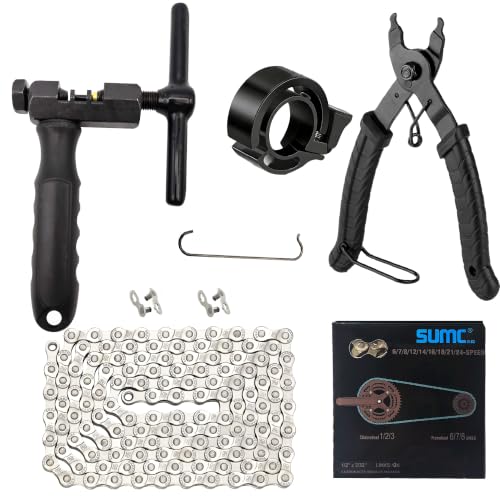
Portable repair kits bundle quick links, chain pliers, and pocket pin tools so you can fix damaged links quickly on the go. Manufacturer listings specify speed ratings from single-speed up to eight speeds, but you should count your existing links before trimming a new chain. Verifying connector types and pin counts keeps your daily rides smooth and dependable.




Frequently Asked Questions
How do you determine whether a chain fits your bicycle drivetrain?
Check the number of rear cogs on your cassette or freewheel and match it to the chain speed rating. Single-speed bicycles and cruisers typically use wider 1/2-inch by 1/8-inch chains. Derailleur setups with six, seven, or eight speeds require narrower 1/2-inch by 3/32-inch chains to clear adjacent sprockets. Review your drivetrain manufacturer specifications before ordering any Best Selling Portable Chain Bike replacement.
What is the difference between single-speed and multi-speed chains?
Internal plate width and lateral flexibility create the primary distinction between these chains. Single-speed chains measure 1/8 inch internally with rigid side plates built for straight chainlines. Multi-speed chains measure 3/32 inch or narrower with chamfered plates that shift between gears. Fitting a wide single-speed chain onto a derailleur cassette causes severe jamming against the cage.
Do portable chain kits include tools for link installation?
Most portable repair kits include a chain breaker, link pliers, and quick connectors, but exact inclusions vary by listing. Multi-function kits from brands like RUBY.Q list chain pins and quick buckles in their descriptions. Basic standalone chains often require you to supply a separate tool to size links properly. Always review the product packaging details to confirm what tools are included.
How do you know when to replace a bicycle chain in 2026?
Measuring chain elongation with a chain checker reveals when internal pins and bushings wear out. A chain stretched past 0.75 percent wear slips under pedal load and wears down cassette teeth. Commuters carrying gear with a smart bike basket place steady load on links, making routine wear checks vital. Replacing a worn chain early prevents costly damage to sprockets.
Can you shorten a new chain without a dedicated chain breaker tool?
No, you should always use a proper chain tool to push pins out safely. Pushing pins out with makeshift tools can warp side plates and ruin structural strength. Compact chain tools from brands like Schwinn drive pins out cleanly without bending plates. Using the correct tool ensures that your quick links connect securely.



Write Your Review
No reviews yet. Be the first to share your experience!