


Matching Chains to Higher Wattage Drivetrains
Selecting a replacement bicycle chain requires matching exact gear spacing and pin width to prevent premature skipping under load. When you ride a motor-assisted bicycle, extra torque from mid-drive or rear hub systems accelerates drivetrain wear, so it’s critical to match physical specifications. Sourcing the best chain bike 750 watts setup means verifying whether your bicycle uses a single-speed cog or a multi-speed cassette. Riders outfitting high-power builds, from heavy commuter rigs to an electric dirt bike for adults, recognize that proper chain sizing maintains smooth contact across the chainring.
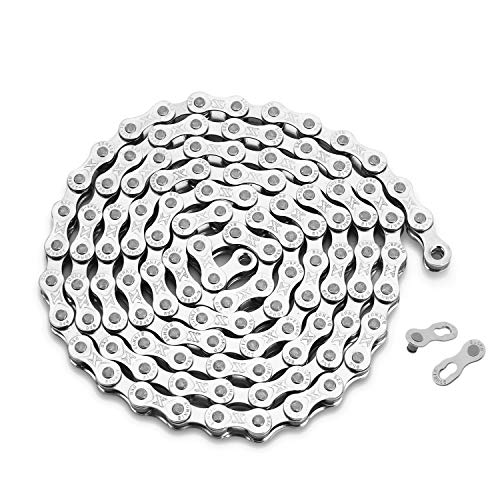
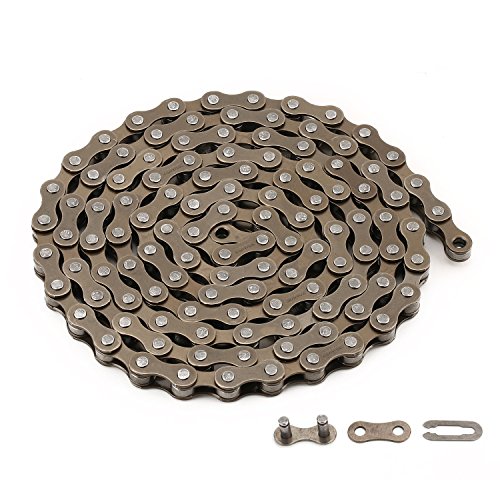
Common options across the market range from basic single-speed 1/2 x 1/8 inch designs to multi-speed 1/2 x 3/32 inch chains compatible with 6, 7, and 8-speed systems. Because higher wattages place steady tension across outer plates, keeping your drivetrain clean and well-lubricated prevents premature pin elongation. Many chain packages include reusable connecting links or compact repair tools to help you size the link count accurately during installation. Reviewing manufacturer specifications ensures you don’t run into clearance problems with your rear sprockets.






Frequently Asked Questions
Can standard bicycle chains handle a 750-watt motor?
Standard bicycle chains can work on 750-watt motors, but their durability depends heavily on drivetrain configuration and maintenance habits. Hub motor setups place less direct tension on the chain than mid-drive motors that pull power straight through the sprockets. High-torque riding often accelerates chain stretch, so monitoring pin wear every few hundred miles is wise. If you run a derailleur system, selecting a reinforced multi-speed chain helps preserve dependable shifting.
What chain width is required for a 6, 7, or 8-speed drivetrain?
A 6, 7, or 8-speed drivetrain typically requires a chain with an internal width of 1/2 x 3/32 inch. Single-speed bicycles usually utilize a wider 1/2 x 1/8 inch chain that will not fit through narrower derailleur cages. Installing an incompatible width causes clearance issues and poor shifting across rear sprockets. Always check your rear cassette specifications before purchasing a replacement chain.
How do you determine the correct chain length during installation?
You determine the correct chain length by counting the links on your old chain or routing the new chain around the largest chainring and largest rear cog. Most replacement chains ship with 112 to 116 links, which often requires removing several links using a chain breaker tool. Leaving the chain too long can cause chain slap and poor derailleur tension, while sizing it too short risks jamming the rear derailleur. Sizing the chain carefully before closing the master link ensures proper chainline tension.
What tools should you carry for on-the-go chain maintenance?
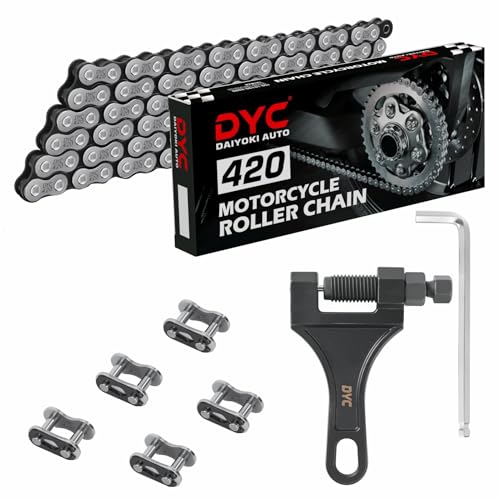
A compact chain tool, a spare quick link, and a pair of link pliers are essential for handling unexpected chain breaks on the road. Carrying these small items inside a commuter pack or alongside everyday essentials in the best smart bike basket keeps you prepared for emergency repairs. Quick links let you reconnect a separated chain without replacing full pin assemblies. Keeping a mini bottle of chain lubricant handy also prevents squeaking on dusty routes.
How often should you replace a bicycle chain on high-power setups?
Most riders replace chains every 1,000 to 2,000 miles, but motor assistance can shorten that lifespan if you ride under heavy throttle. Using a chain checker tool measures pin wear accurately before excessive elongation damages your chainrings and rear cassette. Replacing a worn chain early saves money by extending the life of your more expensive drivetrain sprockets. Regular cleaning and consistent lubrication also slow down internal roller wear significantly.



Write Your Review
No reviews yet. Be the first to share your experience!