


Selecting the Right Chain for Single-Speed Drivetrains
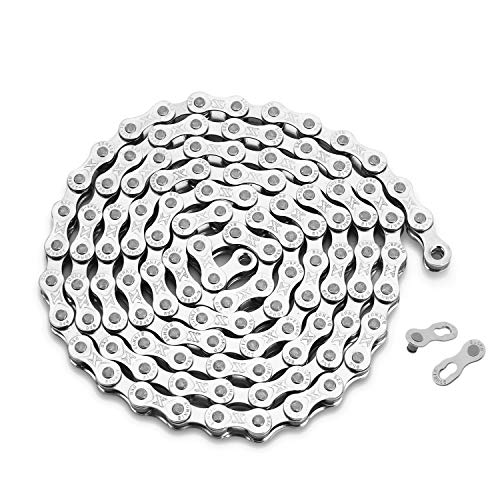
Matching a replacement chain to your bicycle cog and chainring prevents premature drivetrain slip and noisy pedaling. Single-speed drivetrains generally demand durable plates and specific inner widths, whether you commute across the city or spin on a track bike. If you are searching for the best k1 chain bike solution, focusing on precise dimensions like 1/8-inch or 3/32-inch widths will save you plenty of installation headaches. Riders outfitting a daily commuter bicycle with practical gear like a smart bike basket for cargo and errands often prefer robust chains that withstand regular stop-and-go pedaling without stretching quickly. These high-tensile components are built specifically for single-gear applications rather than complete bicycles, making drivetrain compatibility your primary checklist item.
Link count is another essential specification you should check before ordering any chain replacement. Options in the K1 family typically arrive with 100 to 112 links, meaning you might need a dependable chain tool to trim extra links for your frame’s chainstay length. Selecting a package that includes a dedicated quick-connecting link simplifies both initial setup and routine drivetrain cleaning. Proper chain tension and routine lubrication will keep your drivetrain running quietly, regardless of whether you ride on city streets, pump tracks, or indoor velodromes.


Frequently Asked Questions
What makes a K1 chain different from multi-speed bicycle chains?
A K1 chain is engineered exclusively for single-speed, BMX, fixed-gear, and track drivetrains rather than derailleur systems. It features taller, flatter outer plates designed to handle straight-line torque without flexing sideways. Multi-speed chains require chamfered plates and lateral flexibility to shift across cassette cogs, which single-speed setups do not need.
How do I know if I need a 1/8-inch or 3/32-inch chain width?
You should check the thickness of your chainring and rear cog teeth before selecting a chain width. Standard single-speed, BMX, and cruiser sprockets commonly use 1/8-inch teeth, while narrower sprockets or internally geared hubs often take 3/32-inch chains. A 1/8-inch chain will fit over 3/32-inch cogs in a pinch, but a 3/32-inch chain cannot seat properly on wider 1/8-inch teeth.
Can a heavy-duty single-speed chain handle motorized bicycle drivetrains?
Standard bicycle chains are engineered for human pedal power, so you must verify your motor system ratings first. While heavy-duty plates handle intense pedaling torque, high-wattage machines like an electric dirt bike for adults require specialized motorcycle-grade drive chains. Always consult the drive unit manufacturer’s specifications to prevent premature chain elongation.
How many links do I need when replacing a bicycle chain?
Most single-speed chains ship with 100 to 114 links, which is sufficient for typical adult bicycle geometries. You will usually need to measure the new chain against your existing chain and remove surplus links using a chain breaker tool. Leaving adequate chain slack ensures proper rear wheel adjustment in horizontal dropouts without binding the drivetrain.
What is the best way to maintain a Best K1 Chain Bike for daily riding?
Regular wiping and light lubrication will keep your chain functioning smoothly in 2026. Dirt buildup accelerates roller wear, so degreasing the links every few hundred miles extends the service life of both your chain and sprockets. Applying bicycle-specific chain lube and wiping away excess surface oil prevents road grime from clinging to the plates.




Write Your Review
No reviews yet. Be the first to share your experience!