


Matching Drivetrain Demands with the Right Replacement Chain
Matching your bicycle’s gearing to a proper chain prevents frustrating gear slippage and excessive drivetrain wear. Drivetrain setups require exact internal and external widths, meaning an 8-speed chain simply won’t seat cleanly on tighter multi-speed cassettes or single-speed sprockets. If you want the best canyon chain bike performance, checking your cassette count and inner link spacing before purchasing saves hours of mechanical headaches. Many modern replacements also supply quick-release links, making routine maintenance far simpler when you need to clean out accumulated grit. Riders pairing heavy-duty equipment with an electric dirt bike for adults or high-load commuter rig understand how critical correct chain tension and pin strength are.
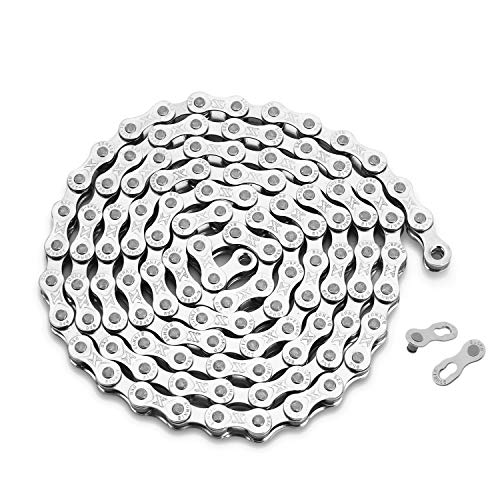
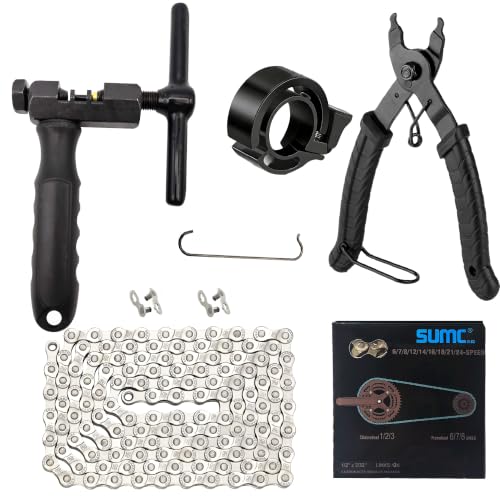
Chain length also matters just as much as speed rating, since purchasing a chain with too few links leaves you unable to shift into larger cogs. Most replacement chains ship with 112 to 116 links, which gives you plenty of slack to size down using a standard chain breaker tool. Investing in a drivetrain chain replacement that includes connecting links helps you secure a clean connection without damaging inner side plates. Whether you run a single-speed cruiser or an indexed multi-gear system, matching manufacturer width recommendations keeps your pedal strokes efficient and quiet.






Frequently Asked Questions
How do I know which speed chain my bicycle requires?
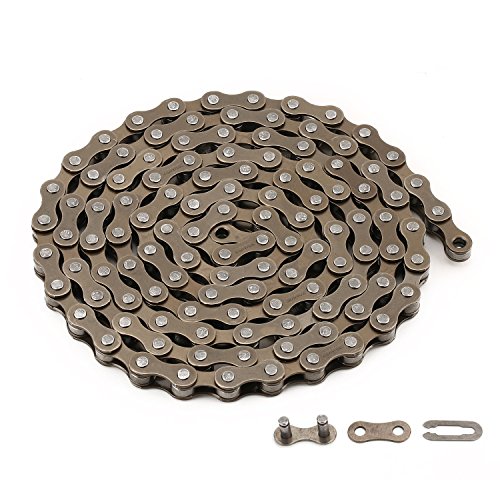
Check the number of sprockets on your rear wheel cassette or freewheel. A bicycle with an 8-speed cassette requires an 8-speed chain, as narrower spacing prevents wider chains from passing cleanly through the derailleur cage. Single-speed setups generally use wider 1/2″ x 1/8″ chains, while multi-speed derailleurs use 1/2″ x 3/32″ or narrower designs.
Can I install a single-speed chain on a multi-speed bicycle?
No, you cannot safely run a single-speed chain on a multi-gear derailleur system. Single-speed chains measure approximately 1/8-inch in internal width, which is too wide to clear the narrow clearances between derailleur pulleys and cassette cogs. Using the incorrect width causes chain jamming and rapid component wear.
How do I determine the right chain length before installing?
Compare the new chain against your old, unbroken chain by laying them flat on a table, or wrap the new chain around the largest cog and chainring without routing through the derailleur. Most packaged chains arrive with 112 to 116 links, so you’ll usually need a pin tool to remove excess links. Ensuring correct length prevents excessive rear derailleur tension in large sprockets.
What causes bicycle chains to wear out over time?
Internal friction between chain pins, rollers, and side plates causes mechanical elongation known as chain stretch. Riding with heavy gear or hauling extra cargo with a smart bike basket increases drivetrain load, speeding up pin wear if the links lack regular lubrication. Using a chain checker tool helps you measure wear before elongated links damage your chainrings.
Do replacement bike chains come with a connecting master link?
Many replacement chains include a dedicated quick link or master link, but packaging varies by manufacturer. Some kits also bundle chain pliers and breaker tools for convenient sizing and quick roadside repairs. Always verify the package contents before purchase to ensure you have the necessary connector for installation.




Write Your Review
No reviews yet. Be the first to share your experience!