


Maintaining proper chain tension and matching sprocket pitch can save riders from unexpected drivetrain slippage on varied terrain. Drivetrain setups differ noticeably across single-speed cruisers, geared commuters, and motorized mini frames that rely on specific roller sizes. Sifting through options for the best oryxearth chain bike components helps you select matching master links, correct tooth counts, and durable tensioner brackets without guesswork. Whether you service a standard bicycle or an electric dirt bike for adults, confirming roller width and inner plate clearance prevents premature wear across your gears.
Replacement hardware requires close attention to pitch codes, overall link count, and bracket mounting compatibility. A standard bicycle drivetrain typically utilizes 1/2-inch pitch links paired with narrow derailleur cogs, whereas mini bikes often depend on stouter #40, #41, or 420 roller chains. Getting the right bicycle chain replacement or tensioner kit ensures that your chain stays aligned under load, reducing dropped chains and uneven sprocket wear. Reviewing listed specifications before making a purchase ensures you get the exact hardware your frame requires.



Frequently Asked Questions
How do you verify compatibility for an Oryxearth chain tensioner or replacement chain?
Check the stated pitch size and mounting bore specifications provided by the manufacturer. Tensioner kits such as the Oryxearth BRM40-2 are designed for specific mini bike frames and roller sizes like #40, #41, or 420, which differ from standard bicycle chains. Always compare the mounting bolt layout and shaft diameter on your frame against the product listing details.
What is the difference between a single-speed bike chain and a multi-speed derailleur chain?
Single-speed chains feature wider internal dimensions, usually measuring 1/2 by 1/8 inch, while multi-speed chains have narrower external widths to navigate cassette cogs. Running a wide single-speed chain through a 6, 7, or 8-speed derailleur cage causes binding and gear jamming. Conversely, narrow multi-speed chains may not seat correctly on thicker single-speed sprockets.
How do you determine the correct chain length before installing a replacement?
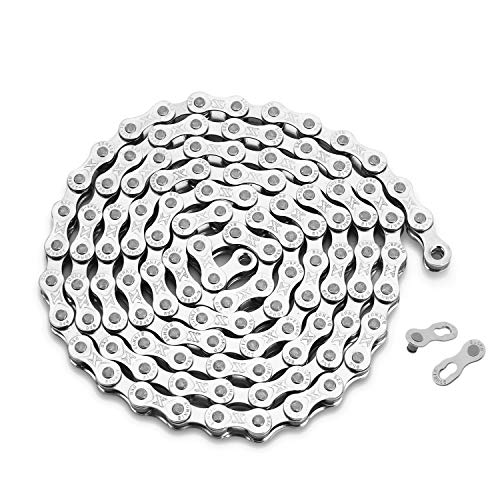
Count the total links on your existing chain or measure tension around the largest cogs before cutting. New chains typically arrive with 112 to 116 links, requiring a chain breaker tool to remove excess links for your specific wheelbase. Consulting your bicycle manual or counting pins ensures you do not trim the chain too short for your gear range.
What tools are necessary to replace or resize a bike chain?
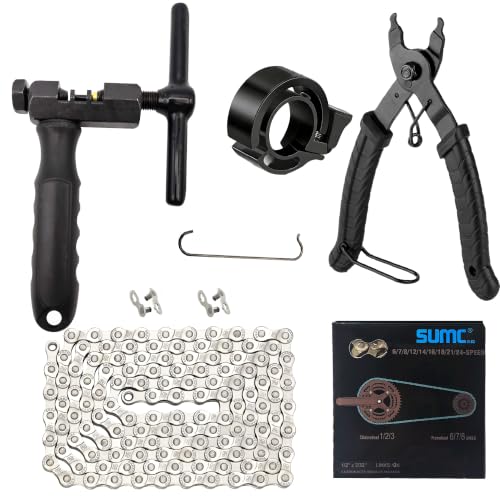
You will need a chain breaker pin tool, missing link pliers, and a chain wear indicator. Multi-function repair kits often bundle these items with spare connector buckles for straightforward roadside repairs. Riders carrying repair supplies in a smart bike basket can handle adjustments without heading to a workshop.
Can you use bicycle chains on mini bikes or motorized frames?
Standard bicycle chains cannot withstand the torque or fit the tooth profiles of motorized mini bikes. Mini bikes utilize industrial roller chains like #40, #41, or 420, which feature thicker pins and wider rollers. Installing a standard 1/2-inch bicycle chain on a motorized sprocket will result in immediate failure or improper tooth engagement.




Write Your Review
No reviews yet. Be the first to share your experience!