


Riders often face sudden drivetrain slipping or rough gear transitions when a bicycle chain reaches the end of its usable lifespan. Selecting the proper replacement requires matching your cog count, pin width, and overall length to avoid premature wear on your cassette and chainrings. If you are searching for the best kenda chain bike setup or a compatible replacement chain for multi-speed and single-speed drivetrains, paying close attention to link dimensions is essential. Commuters who haul daily gear alongside convenient smart bike basket options know that a dependable chain keeps every ride smooth and predictable.
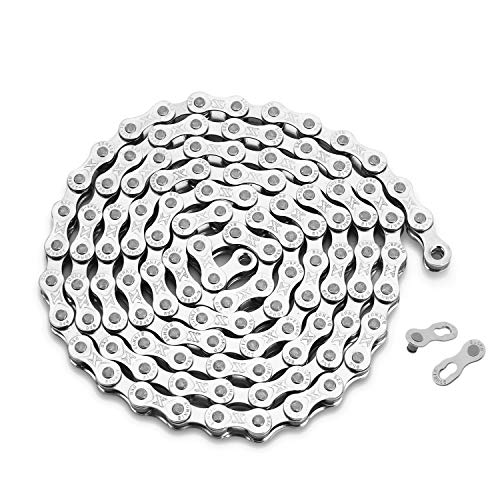
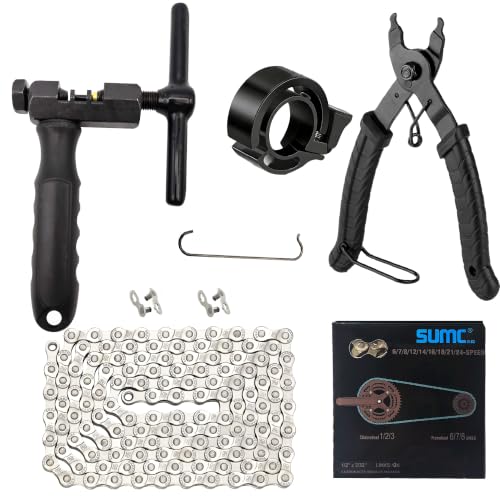
Most bicycle drivetrains rely on specific chain widths such as 1/2″ x 1/8″ for single-speed setups or 1/2″ x 3/32″ for multi-speed derailleurs. Installing an incorrect chain width can cause sluggish gear changes, unwanted friction, or accidental chain drops while pedaling under load. Many replacement packages include quick links, making maintenance simpler if you keep a chain breaker in your tool pack. You will find that regular cleaning and proper lubrication dramatically extend the lifespan of your drivetrain components.





Frequently Asked Questions
How do you determine the correct speed rating for a bicycle chain?
Count the number of sprockets on your rear cassette or freewheel. A drivetrain with seven rear cogs requires a chain rated for 7-speed setups. Chains become narrower as speed counts increase, so matching the rating ensures plates clear neighboring gears smoothly. Always confirm your rear gear count before ordering.
What is the difference between 1/2″ x 1/8″ and 1/2″ x 3/32″ chain widths?
The difference lies in the internal width between the chain’s inner plates. The wider 1/2″ x 1/8″ size fits single-speed bikes, cruisers, and BMX sprockets. In contrast, 1/2″ x 3/32″ chains are narrower to fit multi-speed derailleur systems without rubbing neighboring cogs.
Do replacement bicycle chains arrive pre-sized for your bike frame?
Most replacement chains arrive with 112 to 116 links and require trimming. Because chainstay lengths vary across bicycle frames, you will need a chain tool to push out extra pins. Sizing the new chain alongside your old chain is the easiest way to match length.
Can a standard bicycle chain handle high-powered motorized bikes?
Standard bicycle chains are not built to withstand high motor torque and can stretch rapidly. Powerful builds like an electric dirt bike for adults require heavy-duty reinforced chains. Standard chains listed for recreational riding work best with human pedaling forces.
How can you tell when a bicycle chain is worn out?
Measure pin-to-pin pitch or use a dedicated chain checker tool to inspect wear. Over time, internal pin friction elongates the chain links. If a chain stretches past 0.75 percent wear, it slips under pedaling pressure and damages your cassette cogs.



Write Your Review
No reviews yet. Be the first to share your experience!