


Smooth Drivetrain Performance and Chain Compatibility
Matching a new bicycle chain to your existing drivetrain can feel surprisingly tricky when gear counts and link measurements vary between models. If you put a single-speed chain on an eight-speed cassette, the links will bind immediately, while a chain that is too narrow will struggle to seat properly on thicker cogs. Riders searching for the best bikewa chain bike options often need to balance correct chain width, link capacity, and dependable connector links. A fresh chain restores crisp gear engagement, reduces unnecessary drivetrain friction, and protects your sprockets from premature wear during daily commutes. Cyclists setting up commuter rides alongside utility gear like the best Crankbrothers bike basket appreciate how a quiet drivetrain makes hauling cargo effortless.
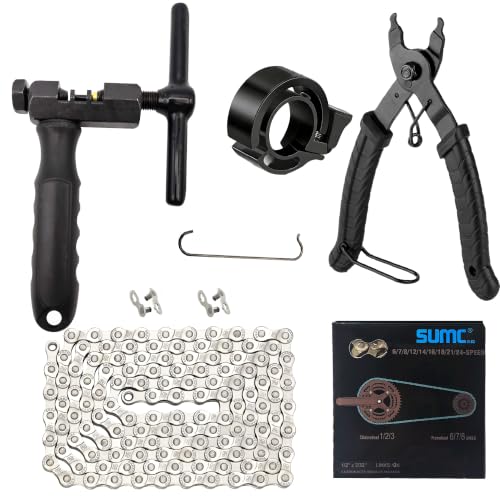
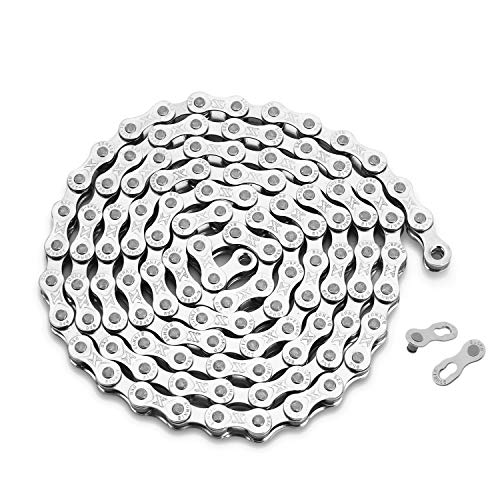
Most replacement chains arrive with standard link counts between 112 and 116 links, which means you will likely need to size the chain down using a breaker tool. Selecting durable bicycle chain replacements requires checking whether your drivetrain uses a multi-speed derailleur or a dedicated single-speed setup. Many packaged repair kits now provide master links and chain pliers, helping you perform quick swaps without specialized workshop visits. Paying attention to manufacturer width designations such as one-eighth inch or three-thirty-seconds inch ensures your drivetrain compatibility remains seamless across every ride.





Frequently Asked Questions
How do I know which chain width fits my bicycle?
You must match the chain width to your bike gearing and cog thickness. Single-speed bikes, cruisers, and BMX models typically take one-half by one-eighth inch chains. Derailleur setups with six, seven, or eight speeds require narrower three-thirty-seconds inch chains to pass cleanly through the rear derailleur cage and between cassette cogs.
Can I install a 6, 7, or 8-speed chain on any multi-gear bicycle?
No, six-to-eight-speed chains only fit drivetrains designed specifically for those gear counts. Drivetrains with nine speeds or higher require progressively narrower outer plates to clear tighter cog spacing. Placing an eight-speed chain on a ten-speed cassette causes severe rub and erratic shifting, so always verify your rear cassette cog count before buying.
Do replacement bicycle chains come sized to fit right out of the box?
Most bicycle chains do not come pre-sized for specific frames and will require shortening. Chains generally ship with 112 to 116 links to accommodate various chainstay lengths and chainring sizes. You will need a standard chain breaker tool to push out excess pins until the new chain matches the length of your old chain.
What is the purpose of quick links and master links?
Quick links allow you to join or remove chain ends without forcing a regular rivet pin into a plate. Many modern chain kits include reusable or single-use master links alongside dedicated chain pliers. These connectors simplify regular drivetrain cleaning, especially if you ride daily and equip your bike with accessories like a smart bike basket for commuting utility.
How often should I replace my bicycle chain?
Replacement intervals depend on your riding conditions, lubrication habits, and total mileage. Most chains require replacement when a chain checker tool indicates 0.5 percent to 0.75 percent elongation. Replacing the chain before it wears past these limits prevents premature damage to your expensive cassette and chainrings.
What tools do I need to replace a bicycle chain at home?
You need a chain wear indicator, a chain breaker tool, and quick-link pliers if your chain uses a master link. Several kits in the Best Bikewa Chain Bike lineup include these tools in a single package. A pair of pliers makes disconnecting master links fast, while the chain breaker removes outer links to achieve the proper length.


Write Your Review
No reviews yet. Be the first to share your experience!