


Selecting the Right Replacement Bicycle Chain
Matching a replacement chain to your bicycle requires careful attention to width, link counts, and cog spacing. Installing an incompatible chain can cause persistent noise, skipped gears, or premature wear on your cassette and chainrings. Riders searching for the best merach chain bike options often need a reliable single-speed or multi-speed chain that handles daily pedaling without binding. Whether you ride a fitness setup, a cruiser, or a commuter equipped with a smart bike basket, verifying your drivetrain specifications ensures reliable power transfer on every ride.
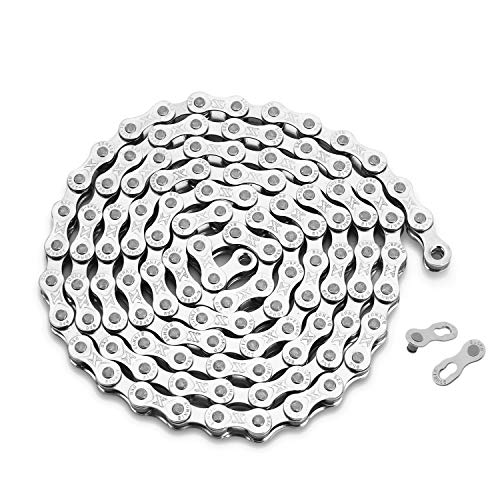
Most bicycle chains fall into specific categories based on speed count, ranging from wide 1/8-inch single-speed links to narrower 3/32-inch derailleur designs. You should count your existing links or measure chain tension before cutting a new chain to size with a breaker tool. Manufacturer listings specify link totals and speed ratings, making it easier to select the right drivetrain compatibility for your specific rear cluster. Taking time to inspect your chainrings and master link mechanism guarantees a smooth, quiet setup that holds up under regular pedaling stress.






Frequently Asked Questions
How do you determine the correct chain width for your bicycle?
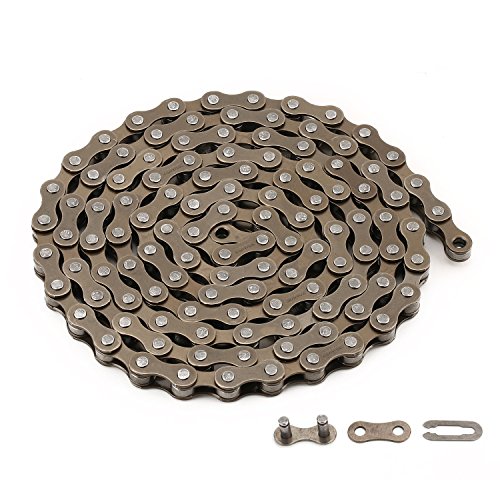
Check the speed count of your rear cassette or freewheel. Single-speed bicycles typically use wider 1/2 x 1/8-inch chains, whereas 6-, 7-, and 8-speed derailleurs require narrower 1/2 x 3/32-inch chains. Using a chain that is too wide can cause rubbing against adjacent cogs, while an overly narrow chain will not seat properly on single-speed sprockets.
Can you install an 8-speed chain on a 6-speed or 7-speed drivetrain?
Yes, standard 6-, 7-, and 8-speed chains share the same internal 3/32-inch width and are generally interchangeable across these gear configurations. The outer plate dimensions are nearly identical, allowing smooth movement across older multi-speed clusters. Always verify that your rear derailleur cage accommodates the total link count listed by the manufacturer before trimming.
What tools are needed to install a replacement chain?
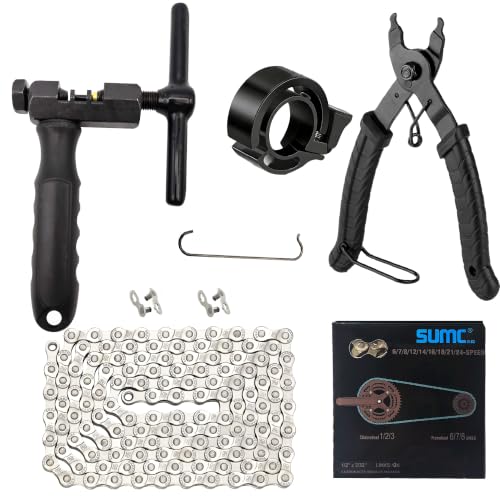
You need a standard bicycle chain breaker tool and a pair of link pliers if your chain uses a reusable master link. The chain tool presses out pins so you can size the chain to match your existing setup. Many repair kits also include a retention hook to hold both loose ends together while you secure the connector.
Does a high-powered electric bicycle require a special chain?
Standard bicycle chains are not always rated for the heavy torque produced by mid-drive electric motors. While lightweight hub-motor commuters can use standard chains, high-torque platforms like an electric dirt bike for adults require reinforced links or specialized e-bike chains. Consult your manufacturer guidelines to confirm load ratings before installing an everyday chain.
How do you know when a bicycle chain needs replacement?
A chain needs replacement when it stretches past 0.5% to 0.75% elongation as measured by a chain wear indicator tool. Riding on a stretched chain accelerates wear on cassette teeth and causes slipping under pedaling pressure. Inspecting your drivetrain regularly helps prevent costly gear damage over time.
What is the difference between a master link and a connecting pin?
A master link consists of two slotted outer plates that snap together without pressing a permanent pin through the roller. This design allows quick chain removal for thorough cleaning and routine drivetrain maintenance. In contrast, standard connecting pins require a chain breaker tool for both insertion and removal.


Write Your Review
No reviews yet. Be the first to share your experience!