


Selecting the Right Drivetrain Chain Replacement
Drivetrain skipping, rough gear transitions, and worn links often signal that your bicycle needs a fresh chain before cog teeth suffer premature wear. Matching internal chain width and cog spacing to your cassette or freewheel prevents unwanted slip and keeps pedal resistance steady across every mile. If you are searching for the best fly chain bike options, identifying whether your setup requires a standard derailleur strand or a single-speed link is the best place to start. Routine chain replacement protects expensive rear cogs, and you can also compare notes with our guide to the best Ilm chain bike to see how different multi-speed drivetrains operate under daily commuter use.
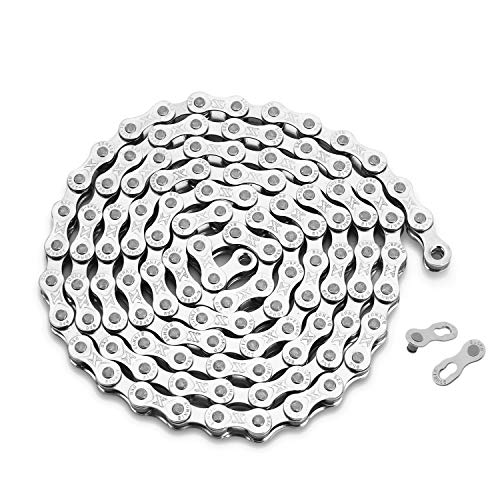
Chain dimensions differ significantly between single-speed setups and multi-gear shifters. Standard multi-speed chains measuring 1/2 by 3/32 inch accommodate rear derailleur movement across six, seven, or eight sprockets, whereas classic single-speed and BMX configurations utilize wider 1/2 by 1/8 inch links that resist heavier lateral tension. Verifying your total link count and master link connector type before ordering ensures an uncomplicated install without damaging your derailleur cage. Taking a few moments to measure your existing chain against listed manufacturer specifications saves you time in the workshop and keeps your bicycle rolling smoothly.






Frequently Asked Questions
How do I know if a 6, 7, or 8-speed chain fits my bicycle?
Count the rear cogs on your cassette or freewheel to determine your gear count. Most 6, 7, and 8-speed drivetrains share identical 1/2 by 3/32-inch internal chain widths and operate reliably with multi-speed replacement chains. Always verify that your rear derailleur capacity and tooth count match the chain manufacturer’s recommended parameters before sizing the links.
Can I use a single-speed 1/2 by 1/8-inch chain on a derailleur bike?
No, a 1/2 by 1/8-inch chain is too wide for derailleur-equipped bicycles. It will jam between rear cogs or rub against the derailleur cage plates. Single-speed chains are engineered exclusively for single-cog hubs, BMX setups, and internal gear hubs with straight chainlines.
What is the difference between a bicycle engine chain and a regular bicycle chain?
Engine chains feature thicker side plates and higher tensile strength ratings to withstand motor torque. While standard bicycle chains handle human pedaling output, motorized bike setups use reinforced 410 or 415 chains. Riders exploring high-power alternatives like an electric dirt bike for adults will notice that motorized drivetrains demand far heavier link construction than standard commuter bikes.
Do replacement bike chains come with a connecting link included?
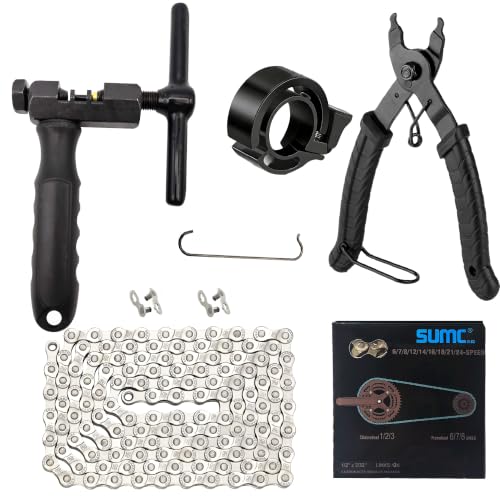
Many modern bicycle chains include a quick link or reusable connector, but you should always inspect the product listing details. Some chains supply standard snap-on master links, while others require a dedicated chain breaker tool to press pins into position. Checking the packaging details beforehand ensures you have the necessary workshop tools on hand.
How often should I clean and lubricate a bicycle chain?
Lubricate your chain every 100 to 150 miles for dry road riding, or after every wet, gritty ride. Wipe off road grime and excess lubricant with a clean rag to avoid attracting abrasive grit. Regular chain maintenance minimizes link friction, prevents stiff links, and extends the lifespan of your drivetrain gears.




Write Your Review
No reviews yet. Be the first to share your experience!