


Selecting the Right Replacement Bicycle Chain
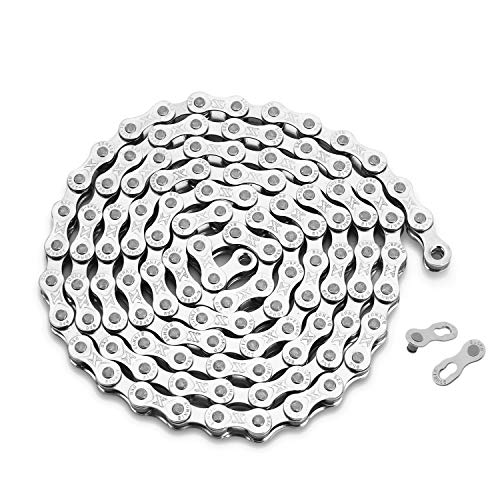
Matching a new chain to your bike drivetrain requires paying close attention to gear counts, outer width, and total pin links. Riding with an improperly sized link setup can cause sluggish shifting, skipped cogs, and premature tooth wear across your rear cassette or front chainring. Many riders exploring the best blackburn chain bike replacement options need a sturdy chain that handles daily commuting or weekend trail rides without unexpected slack. Selecting the proper bicycle chain replacement depends on whether your setup runs a single cog or a multi-speed derailleur system. If you want to compare different setup styles, checking our guide on drivetrain chain replacements offers extra perspective on matching widths.
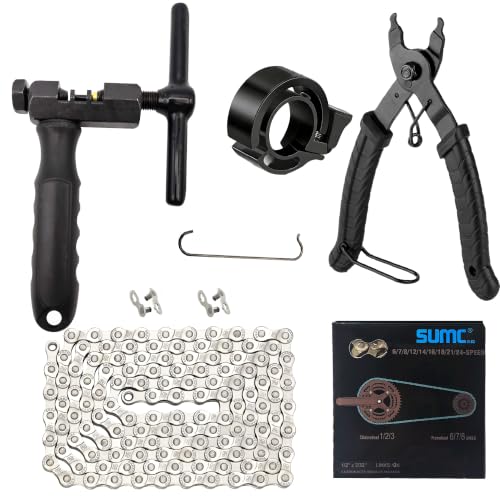
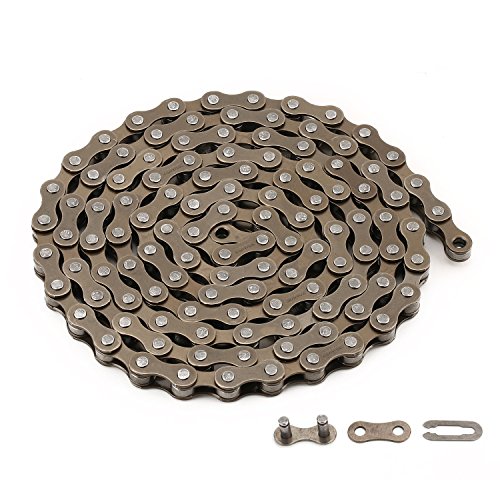
Single-speed drivetrains typically use a wider 1/2 inch by 1/8 inch profile, whereas six, seven, and eight-speed drivetrains rely on narrower 1/2 inch by 3/32 inch plates to clear tight cassette cogs. Checking listed dimensions before purchasing prevents clearance problems inside your rear derailleur cage or chain tensioner. Most modern options feature quick-connecting master links that simplify home installation, though a standard chain tool remains essential to size the stock links correctly for your bicycle frame. Taking a few moments to verify your current gear cluster ensures your new chain meshes smoothly from your very first pedal stroke.








Frequently Asked Questions
How do I know if a chain will fit my bicycle drivetrain?
You must match the speed rating and internal width specified by your bike cassette or freewheel. A single-speed bike uses a 1/2-inch by 1/8-inch chain, while 6, 7, or 8-speed systems require a narrower 1/2-inch by 3/32-inch design. Check your current chain markings or rear gear count before ordering. Using a chain designed for fewer speeds on a narrow cassette can lead to rubbing and poor gear engagement.
What is the difference between single-speed and multi-speed bike chains?
Single-speed chains are wider and built with thicker outer plates to handle direct tension on non-derailleur bicycles. Multi-speed chains feature narrower outer profiles and chamfered inner plates that help the chain move between cogs smoothly. Installing a wide single-speed chain on a derailleur bicycle will jam the pulleys and derailleur cage. Always verify your rear gear count to match the appropriate plate spacing.
Can I install a replacement bicycle chain without specialized tools?
You will almost always need a chain breaker tool to shorten the new chain to the proper link length. While many modern chains include reusable quick links or master links for tool-free closure, replacement chains are sold with extra links that must be pushed out. Using a dedicated link plier and chain pin press makes removal and closure simple and safe. Always count the links on your old chain or measure proper chain tension before cutting.
How do I tell when it is time to replace my bicycle chain?
You should measure your chain with a chain wear indicator tool to determine pin elongation. When a chain stretches beyond 0.75 percent wear, it begins grinding down the teeth on your cogs and chainrings. Waiting too long to replace a worn chain often forces you to replace the entire rear cassette alongside it. Regular inspections help maintain quiet pedaling and protect the rest of your drivetrain components.
Are reinforced e-bike chains necessary for motorized setups?
Reinforced e-bike chains are recommended for motor-driven bicycles because mid-drive and hub motors produce significantly higher torque than human legs alone. Dedicated electric bicycle chains undergo specific tensile strength testing to resist pin shear under heavy motor assist. Riders comparing robust motorized power across electric dirt bike models often note how critical reinforced drivetrains are for durability. Standard commuter chains can stretch prematurely or snap when subjected to continuous high-wattage motor output.
Do replacement chains come pre-lubricated from the factory?
Yes, factory bicycle chains arrive coated with a thick packing grease designed to prevent rust during shipping and storage. While you can ride on this factory coating initially, it tends to attract road grit and dust quite rapidly. Wiping down the exterior plates and applying a dedicated dry or wet bicycle chain lube suited to your local riding environment keeps your drivetrain cleaner over time.



Write Your Review
No reviews yet. Be the first to share your experience!