


Drivetrain Compatibility and Chain Selection
Replacing a worn bicycle chain requires matching the exact width of your rear sprockets so your drivetrain operates smoothly under pedaling pressure. Riders often struggle to determine whether a standard single-speed chain or a narrower multi-speed design fits their current cog spacing. Selecting the best authentic chain bike hardware means verifying your cassette or freewheel gear count before you shorten or install any links. You can also explore our companion guide on the best ilm chain bike options if you want additional component comparisons. Taking time to inspect your chainrings prevents premature chain skip on your daily routes.
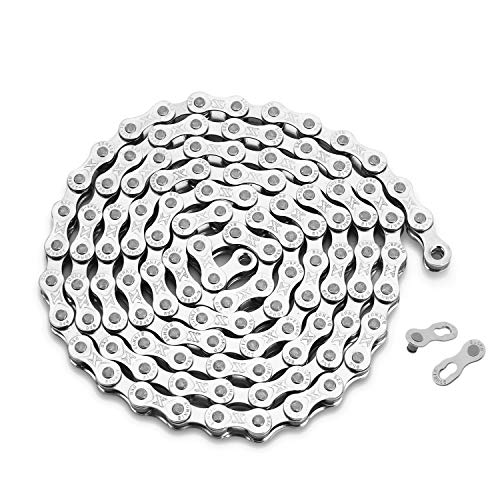
Chain dimensions such as one-half by one-eighth inch for single speeds or one-half by three-thirty-seconds inch for multi-speed cassettes dictate proper tooth engagement. Many modern replacement kits provide dedicated quick links, which simplify installation and routine cleaning sessions. Checking the listed link count ensures you have sufficient length to size the chain around your largest rear cog and chainring combination.







Frequently Asked Questions
How do I know which chain width fits my bicycle?
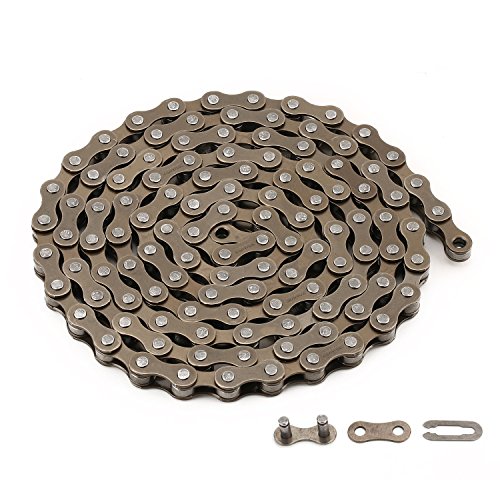
Your bicycle gear count determines the required chain width. Single-speed setups and cruisers typically require wider chains measuring one-half by one-eighth inch. Multi-speed drivetrains using six, seven, or eight speeds require narrower chains measuring one-half by three-thirty-seconds inch. Always verify your rear cassette specifications before ordering.
Can I use an 8-speed chain on a 6-speed or 7-speed drivetrain?
Yes, six, seven, and eight-speed drivetrains generally share the same chain width dimensions. Listings for multi-speed chains frequently group these three gear counts together because the cog spacing is nearly identical. You should still confirm link count to ensure the chain wraps around your largest sprockets properly.
What tools do I need to install a bicycle chain replacement?
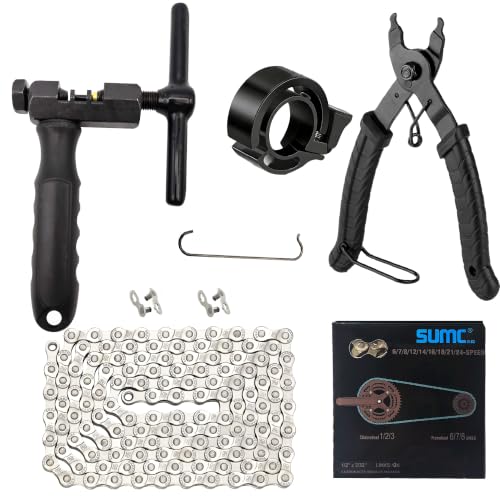
You need a chain breaker tool and a master link plier for most chain installations. A chain breaker drives out pins to size the chain to your drivetrain length. Master link pliers help you securely connect quick links without damaging outer plates. Many complete repair kits bundle these tools with spare connectors.
How often should a bicycle chain be replaced?
Chain replacement intervals depend on riding frequency, road conditions, and maintenance habits. Most chains show measurable wear between two thousand and three thousand miles of riding. If you ride high-power models like an electric dirt bike for adults, extra drivetrain strain may accelerate wear. Measuring chain stretch with a gauge helps prevent premature cassette damage.
Do new bicycle chains come pre-lubricated from the factory?
Most replacement chains arrive with a factory coating that prevents corrosion during storage. While this factory film offers initial lubrication, it can attract road dust over time. Wiping the exterior plates clean and applying quality bicycle lube ensures quiet pedaling. Choosing wet or dry lubricant matched to your weather conditions protects the internal rollers.



Write Your Review
No reviews yet. Be the first to share your experience!