


Matching the Right Bicycle Chain to Your Drivetrain
Worn drivetrain links can quickly lead to slipping gears, noisy pedaling, and uneven cassette wear on your daily rides. Checking your current cog count and pin width helps ensure that a replacement chain meshes cleanly with your rear sprockets. Riders evaluating the best aipas chain bike replacement options often need to balance link durability with easy installation features like quick connect links. Matching the exact chain width prevents premature drivetrain wear and keeps shifting responsive. You can also explore options like an Ilm chain bike replacement to compare how different link designs handle routine friction.
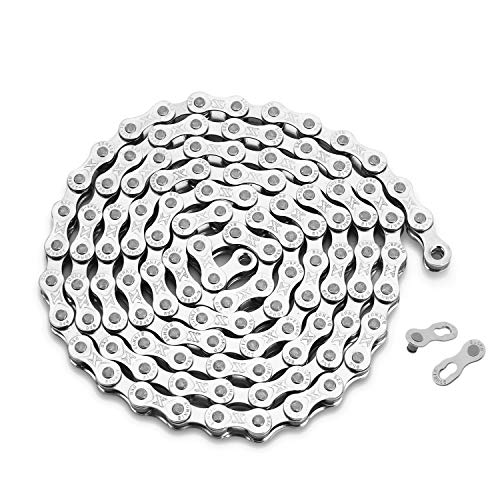
Selecting the correct chain length and speed rating keeps your shifting crisp while preventing excess slack along the chainstays. Most replacement chains arrive with extra links that require a basic chain breaker tool to resize for your specific frame geometry. Using reusable master links simplifies routine cleaning and maintenance, allowing you to service your drivetrain without specialized shop visits. Reviewing listed specifications such as speed ratings, tensile strength, and included hardware ensures that your drivetrain operates reliably on every ride.




Frequently Asked Questions
How do I know what speed chain my bike requires?
Count the cogs on your rear cassette or freewheel to determine your required chain speed rating. A rear wheel with seven cogs requires a 7-speed or multi-speed chain rated for 6/7/8-speed setups. Chains become narrower as gear counts increase, so using the wrong width can cause sluggish shifting or chain jamming. Always verify your rear gear count before ordering a replacement.
Can I use an 8-speed chain on a single-speed bicycle?
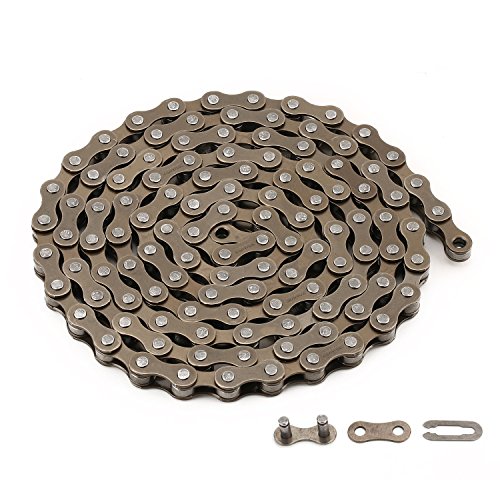
Single-speed bicycles generally require a wider 1/2-inch by 1/8-inch chain rather than a narrow derailleur chain. Multi-speed chains are narrower (often 3/32-inch) and may bind or wear unevenly on wider single-speed sprockets. Using a dedicated single-speed chain ensures proper sprocket engagement and reduces the risk of chain drop. Check your chainring and rear cog thickness to confirm compatibility.
What tools do I need to install a replacement chain?
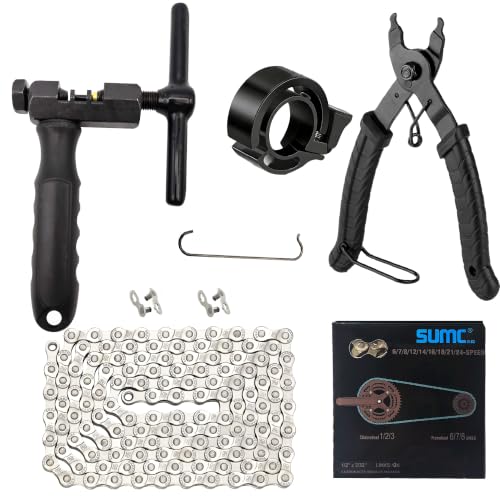
You typically need a chain breaker tool to size the chain and master link pliers to secure the connector. Most replacement chains come longer than necessary, requiring you to push out excess pins to match your original chain length. Quick links allow tool-free connection, but link pliers make closing and opening them much easier. Retaining a chain hook also helps keep tension off the links during installation.
Are e-bike drivetrains compatible with standard bicycle chains?
Standard chains can fit if the speed rating matches, but dedicated e-bike chains feature higher tensile strength to handle motor torque. Mid-drive motors place substantial strain on the links during shifting under power. If you ride high-power setups or an electric dirt bike for adults, reinforced pins and tested tensile ratings help extend chain life. Check your motor output and manufacturer recommendations before choosing a standard bicycle chain.
How often should I clean and lubricate my bicycle chain?
Clean and lubricate your chain every 100 to 150 miles, or sooner if you ride in wet, sandy, or muddy conditions. Dirt and grit create a grinding paste inside the rollers that accelerates link wear and damages your cassette teeth. Wipe away surface grime with a rag before applying a bicycle-specific lubricant to each roller. Always wipe off excess oil to keep dirt from accumulating on the drivetrain.
How do I check if my current bicycle chain is worn out?
Use a chain checker tool to measure link stretch across several pins. A measurement reaching 0.5% indicates moderate wear, while 0.75% stretch means the chain requires immediate replacement to avoid cog damage. If you do not have a dedicated tool, lift the chain off the front chainring; exposing half a tooth indicates significant wear. Replacing a stretched chain promptly protects your chainrings and rear cassette.





Write Your Review
No reviews yet. Be the first to share your experience!