


Drivetrain Compatibility and Chain Replacement Essentials
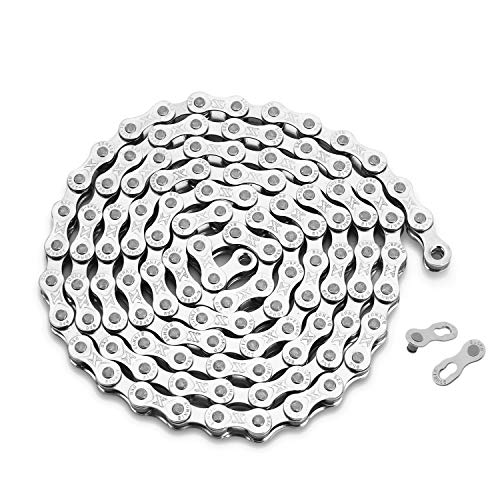
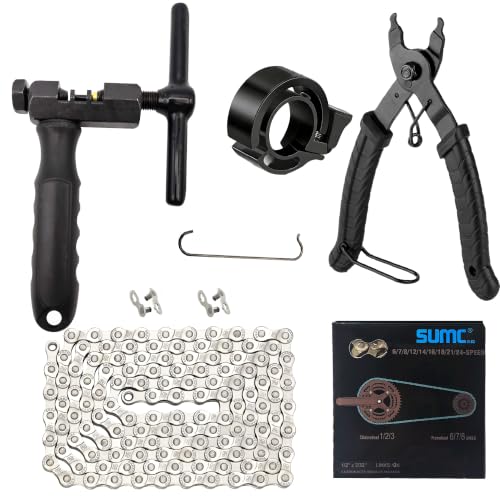
Matching a replacement bicycle chain to your drivetrain requires careful attention to width, speed rating, and link count. Installing a chain that does not match your cassette or chainring spacing can cause poor shifting, unexpected slipping, or premature drivetrain wear. Riders seeking the best hh chain bike components often need to balance standard replacement chains with complete tool kits that include chain breakers and missing links. Selecting the correct setup keeps your daily commute or weekend ride running reliably without unexpected mechanical headaches.
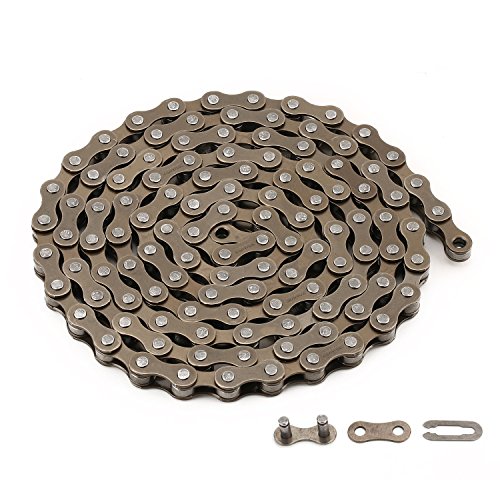
Single-speed drivetrains generally use wider 1/2″ x 1/8″ chains, whereas multi-speed derailleurs require narrower 3/32″ designs to clear adjacent cogs smoothly. Many replacement options from brands like KMC, Schwinn, ZONKIE and more arrive with 112 to 116 links, which you might need to size down using a chain tool before installation. If you are comparing different drivetrain styles across our guides, such as our breakdown of the Ilm chain bike setups, paying close attention to speed ratings ensures your components mesh properly. Taking a few moments to verify your cog count and connector requirements will save you frustration in the workshop.





Frequently Asked Questions
How do you determine the correct chain speed for your bike?
Count the number of sprockets on your rear cassette or freewheel. A drivetrain with seven rear cogs requires a 6/7/8-speed compatible chain, while single-speed bicycles require dedicated single-speed chains. Drivetrain manufacturers design multi-speed chains with specific outer widths so they pass cleanly between tightly spaced rear cogs. Always check your rear derailleur and cassette specifications before selecting a replacement chain.
What is the difference between 1/8-inch and 3/32-inch bicycle chains?
The measurement refers to the internal width between the chain inner plates. A 1/8-inch chain is wider and intended primarily for single-speed setups, cruisers, track bicycles, and BMX bikes without derailleurs. In contrast, 3/32-inch chains are narrower to fit standard multi-speed derailleur systems. Installing a wide 1/8-inch chain on a multi-speed cassette will cause severe binding and shifting interference.
Do replacement bicycle chains come pre-sized for all frames?
Most replacement chains arrive with 112 or 116 links and must be shortened to fit your specific bicycle. Chainstay length, front chainring tooth counts, and rear cog sizes determine the exact link count your bicycle requires. You can measure the new chain alongside your old chain or route it through the gears to mark the ideal length. A standard chain breaker tool is necessary to remove extra links before closing the chain.
Can you use a standard bicycle chain on high-power electric drivetrains?
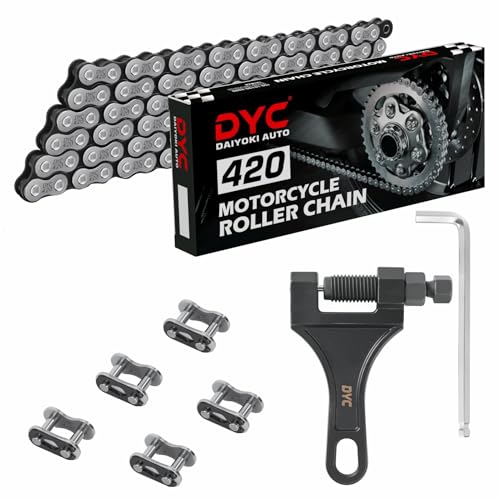
Standard bicycle chains may wear prematurely under the elevated torque of motorized drivetrains unless rated for that specific stress. If you operate high-torque machines or explore platforms like an electric dirt bike for adults, drivetrains require reinforced links designed to handle extra motor power. For conventional bicycles, standard 6/7/8-speed chains remain reliable for everyday pedaling. Check your motor and drivetrain manufacturer recommendations before mounting a standard chain on an assisted bike.
How often should you replace a bicycle chain?
Chains typically require replacement when pin and bushing wear causes the links to elongate past acceptable tolerances. Using a chain checker tool lets you measure wear accurately at 0.5 percent or 0.75 percent elongation thresholds. Riding with an overly worn chain will accelerate wear on your chainrings and rear cassette, leading to expensive drivetrain repairs. Regular cleaning and proper lubrication will extend the usable life of your chain across 2026 riding conditions.
What is the best hh chain bike connection method?
Quick-release master links, also called reusable buckles or missing links, offer the simplest connection method for modern drivetrains. Many kits include chain link pliers that allow you to lock or disconnect these master links without damaging the side plates. Traditional connecting pins are also used by some brands, but they require precise alignment with a chain breaker. Verifying that your connector matches the chain speed rating ensures dependable performance on the road.




Write Your Review
No reviews yet. Be the first to share your experience!