


Selecting the Right Replacement Chain for Smooth Pedaling
Matching a replacement chain to your bicycle requires careful attention to width, pitch, and speed rating. Commuters and daily riders often face skipping gears or accelerated wear when a chain doesn’t match their cassette or chainring spacing properly. Evaluating the best dc chain bike options helps narrow down reliable hardware whether you run a simple cruiser or a multi-speed gear setup. Riders upgrading their drivetrains can also review our analysis of ILM chain models to see how different link dimensions fit specific cassettes.
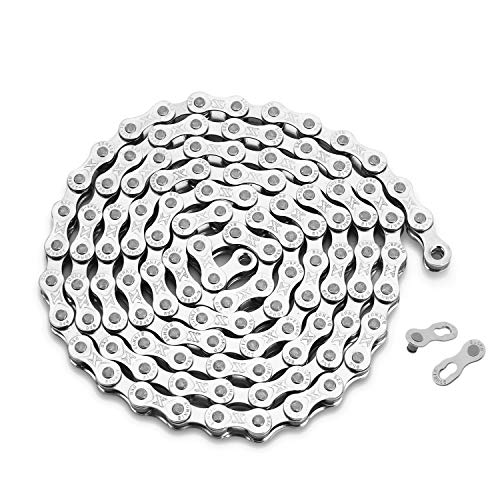
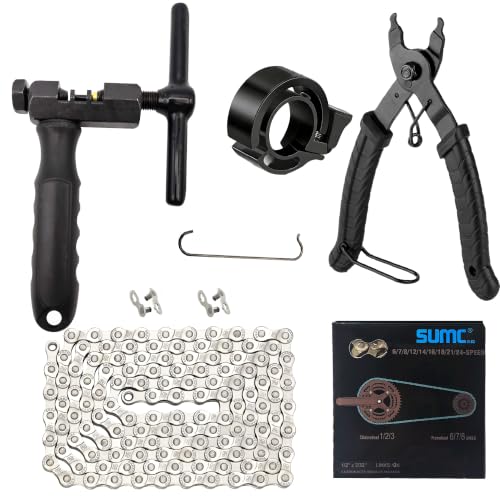
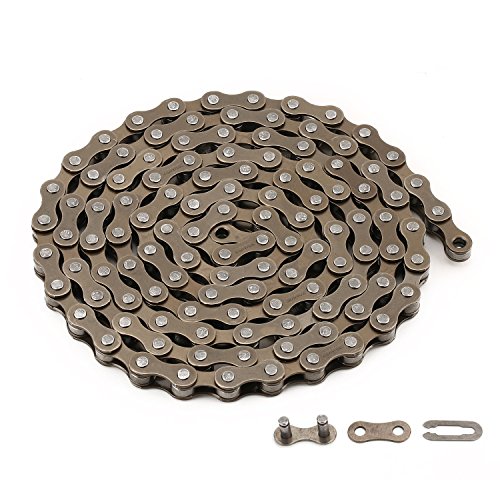
Installing a new chain also involves confirming connector types, whether you prefer reusable quick links or traditional pins. Most standard drivetrains need anywhere from 112 to 116 links, meaning you’ll likely use a chain breaker tool to size the links before heading out on the road. Selecting a chain with proper speed-specific chain width ensures smooth chainring engagement without binding against derailleur cages. Checking stated manufacturer compatibility across brands like Schwinn, SRAM, and ZONKIE prevents unexpected drivetrain friction on daily rides.






Frequently Asked Questions
How do I know which chain width fits my drivetrain?
Drivetrain speeds dictate the required chain width. Single-speed bikes and cruisers generally use 1/2″ x 1/8″ chains, while 6, 7, and 8-speed derailleur systems require narrower 1/2″ x 3/32″ chains to move between cogs smoothly. You should check your rear cassette or freewheel count before ordering a replacement.
Do replacement bicycle chains come ready to ride right out of the box?
Most bicycle chains require sizing to fit your specific frame geometry and gearing. Factory chains typically ship with 112 to 116 links, which is longer than most bicycles need. You’ll need a chain breaker tool to remove excess links so the derailleur tension arm sits at the correct angle.
What is the difference between a single-speed chain and a multi-speed chain?
Internal and external plate widths differ significantly between these designs. Single-speed chains measure 1/8 inch internally and feature thicker outer plates built for straight chainlines. Multi-speed chains measure 3/32 inch or narrower internally and have chamfered side plates that allow derailleurs to guide the chain across multiple rear sprockets.
Can I install a standard bicycle chain on a motorized or electric bike?
Standard bicycle chains aren’t designed for motorized setups unless the manufacturer explicitly rates them for motor assist. Heavy-torque frames, such as an adult electric dirt bike, require reinforced, motor-rated links to withstand continuous power without stretching rapidly. Always verify the manufacturer’s torque ratings before installing a basic chain on an electric drivetrain.
How often should I clean and lubricate a bicycle chain?
Regular maintenance intervals depend on your local riding conditions and weather exposure. Commuters riding in dry conditions typically apply bike-specific chain lubricant every 100 to 150 miles, wiping off excess oil to prevent dirt buildup. If you ride through rain, mud, or road salt, you should degrease, dry, and re-lube the chain immediately after the ride.
How do quick links work during bicycle chain installation?
Quick links provide a tool-free or plier-assisted connection point that joins the two ends of an open chain. Most modern chain kits include a master link pair consisting of two interlocking halves with pre-installed pins. Once slotted together and pulled taut, the plates snap securely into locked grooves.


Write Your Review
No reviews yet. Be the first to share your experience!