


Selecting the Right Chain Replacement for Your Drivetrain
Riders often struggle to determine whether their drivetrain requires a multi-speed chain or a wider single-speed design. A mismatched chain width can lead to noisy pedaling, stiff links, or skipping gears across the rear sprockets. Researching the best troy chain bike options requires checking your drivetrain specifications, such as standard 1/2-inch by 1/8-inch widths or narrower 3/32-inch derailleur profiles. Knowing your cassette cog count and sprocket spacing simplifies purchasing before you remove your worn links.
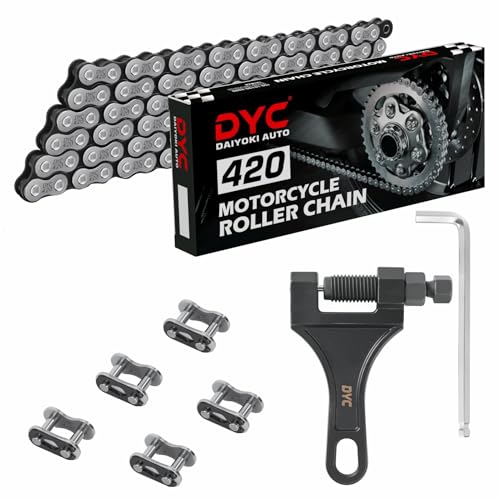
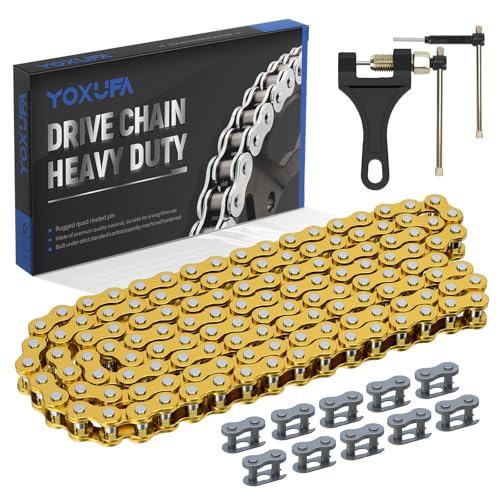
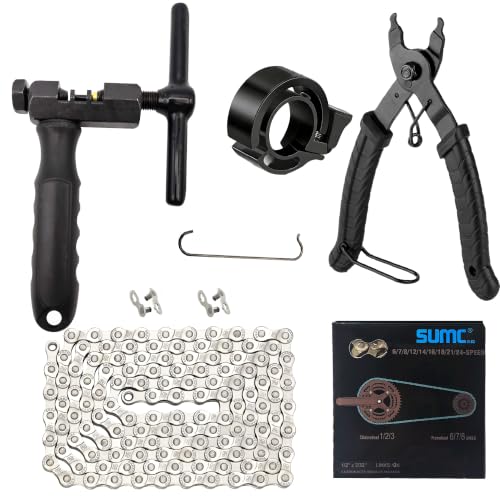
Chain length and connector types also dictate how smoothly your replacement project goes on your workbench. Many replacement packages supply reusable master links or chain breaker tools to help you size links accurately. If you evaluate different hardware or compare alternative bicycle chain setups, confirming chain pitch prevents confusing standard bicycle links with heavier 420 mini-bike chains. Matching link counts, speed ratings, and included hardware keeps your bicycle running quietly through everyday commutes.






Frequently Asked Questions
How do I determine which chain width fits my bicycle?
Check your rear cassette or freewheel cog count to determine the proper chain width. Single-speed bicycles, cruisers, and BMX models typically rely on 1/2-inch by 1/8-inch chains, whereas 6, 7, and 8-speed derailleurs require narrower 1/2-inch by 3/32-inch chains. Installing a wide chain on a multi-cog cassette causes rubbing against adjacent gears. Always confirm your rear sprocket count before ordering.
Can I install a 420 chain on a standard pedal bicycle?
No, a 420 chain is too wide and heavy for standard bicycle sprockets. Heavy-duty 420 roller chains are intended for motorized mini bikes, go-karts, or vehicles similar to an electric dirt bike for adults. Standard pedal bicycles require chains engineered specifically for bike chainrings and cassettes. A 420 chain will not mesh properly with bicycle gears.
What is the difference between single-speed and derailleur chains?
Derailleur chains feature chamfered outer plates and lateral flexibility to move across rear cogs. Single-speed chains are built with thicker, rigid plates meant to run straight between two sprockets. Attempting to shift gears with a rigid single-speed chain binds the derailleur cage. Selecting the best troy chain bike configuration requires knowing whether your bike shifts gears.
Do replacement bike chains come pre-sized for all frames?
Most replacement chains arrive with extra links and require sizing down to fit your specific frame. Standard bicycle chains contain 112 to 116 links to accommodate various chainring sizes and chainstay lengths. You can remove excess links using a standard bicycle chain breaker tool. Always measure against your old chain before removing outer links.
Are master links reusable when reinstalling a chain?
Master link reusability depends on the specific connector design provided by the manufacturer. Some quick links feature tool-free locking pins designed for one-time installation, while other reusable links unclip safely with link pliers. Product listings generally indicate whether included master links are rated for multiple uses. Inspect connecting pins for wear before reconnecting your drivetrain.



Write Your Review
No reviews yet. Be the first to share your experience!