


Matching Replacement Chains to Your Bicycle Drivetrain
Replacing a worn bicycle chain is one of the most effective ways to restore crisp pedaling and quiet operation across your gears. Mismatched widths or incorrect link spacing can lead to chain slippage, noisy shifts, or premature wear on your rear cassette and chainrings. Whether you are maintaining a daily commuter, a multi-gear cruiser, or searching for the best viribus chain bike replacement options, selecting a compatible chain depends strictly on your gear count and link specifications. Riders exploring similar multi-speed drivetrains often compare these specs alongside options like the best ilm chain bike replacements to keep their setups rolling smoothly.
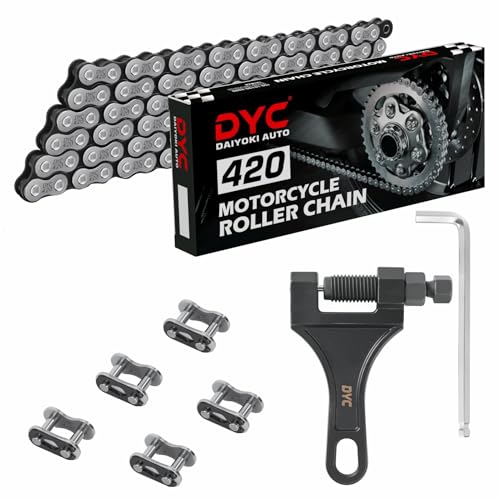
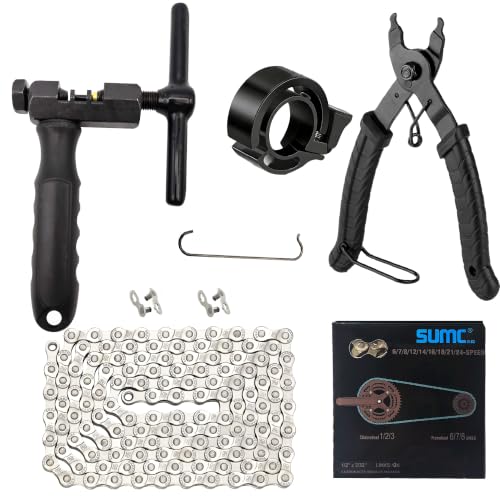
Single-speed drivetrains generally require wider 1/2-inch by 1/8-inch chains, whereas modern 6, 7, and 8-speed systems rely on narrower 1/2-inch by 3/32-inch designs to clear adjacent sprockets. Many modern chain kits now bundle essential maintenance gear, including reusable quick links, chain breaker tools, and link pliers that simplify sizing and regular upkeep. By verifying your drivetrain speed rating and total link count before ordering, you can secure dependable power transfer without risking gear jams or improper chain tension.







Frequently Asked Questions About Drivetrain Chains
How do I know if my bike needs a 1/8-inch or 3/32-inch chain?
Check whether your bicycle features multiple rear gears or a single cog. Single-speed bicycles, BMX models, and traditional coaster-brake cruisers typically use wider 1/2-inch by 1/8-inch chains. Derailleur-equipped bicycles with 6, 7, or 8 speeds require narrower 1/2-inch by 3/32-inch chains so the outer plates can clear adjacent cogs without binding.
Can I use an 8-speed chain on a 6-speed or 7-speed bicycle drivetrain?
Yes, standard multi-speed chains labeled for 6/7/8-speed drivetrains share the same internal and external width profile. Manufacturers design these chains to operate across standard 6-speed, 7-speed, and 8-speed freewheels and cassettes. Always confirm your rear gear count against the manufacturer specifications to ensure proper derailleur clearance.
Are replacement e-bike chains built differently than standard chains?
Electric bicycle chains typically feature reinforced pin riveting and higher tensile strength ratings to handle motor torque. Mid-drive and hub-motor systems place heavier instantaneous loads on the drivetrain than typical pedal-only systems. Riders managing higher-powered platforms, such as an electric dirt bike for adults, must verify that a replacement chain carries an explicit e-bike tensile rating.
How do I determine the correct chain link count before installation?
Count the links on your old chain or measure the new chain directly against the existing setup before cutting. Most replacement chains arrive with 112 to 116 links, which is intentionally longer than needed for many frames. You will generally need a chain breaker tool to remove excess links so your derailleur maintains appropriate tension across all gear combinations.
Do replacement bicycle chains come with connecting links?
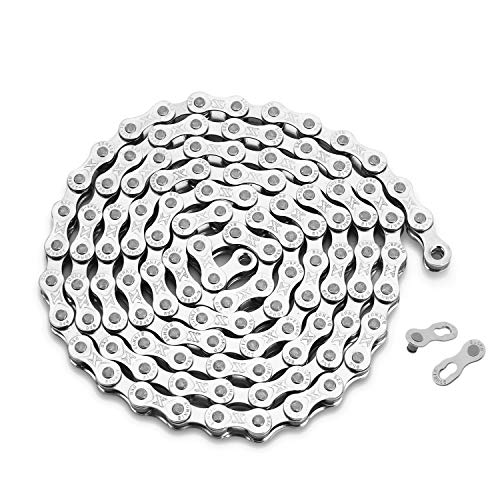
Many modern bicycle chains include reusable master links or quick buckles, but packaging varies by brand. Dedicated chain repair kits often bundle multiple spare master links alongside breaker tools, while basic replacement chains might rely on standard press-fit pins. Always review the product package details to confirm whether a compatible connecting link is included.


Write Your Review
No reviews yet. Be the first to share your experience!