


Drivetrain Compatibility and Chain Selection
Drivetrain compatibility often causes hesitation when replacing a bicycle chain, especially when matching specific gear counts and widths. Installing an incorrect chain width can cause sluggish shifting, unwanted chain slip, or unexpected drivetrain wear. Identifying the best bicystar chain bike replacement requires checking whether your setup uses a single-speed cog or a multi-speed cassette. Riders exploring different setups might also compare these parts with a featured ILM chain bike review to understand varied drivetrain requirements. Selecting the proper link pitch and width ensures your components mesh smoothly on every ride.
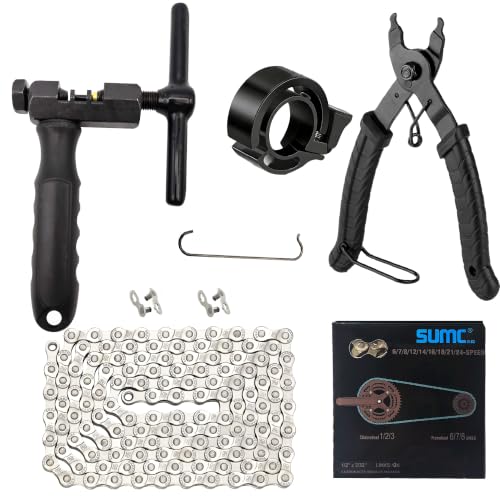
Chain replacement kits often bundle essential accessories like link pliers, chain breakers, and reusable quick links that simplify routine garage maintenance. Modern bicycle chain replacement options range from heavy-duty single-speed designs to flexible 6, 7, and 8-speed derailleur links. Matching your current drivetrain specifications against listed product features helps avoid compatibility headaches before ordering. Keeping your chain clean, correctly sized, and properly lubricated extends the lifespan of your sprockets while supporting dependable power transfer across daily commutes.





Frequently Asked Questions
How do I determine if my bicycle needs a single-speed or multi-speed chain?
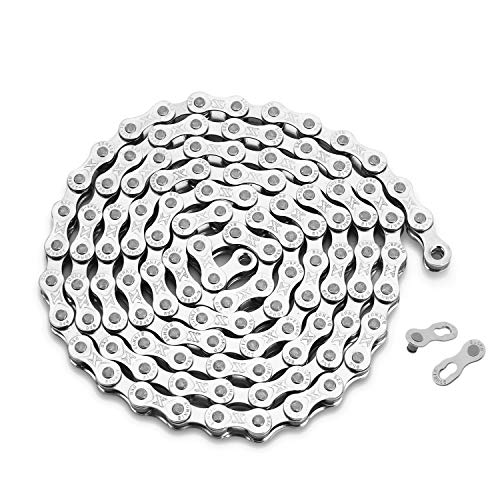
Count the rear cogs on your rear wheel to determine the exact chain type required. Single-speed setups use a single rear cog and commonly require a 1/2″ x 1/8″ chain dimension. Derailleur setups with multiple rear sprockets need narrower chains, such as 1/2″ x 3/32″ links designed for 6, 7, or 8-speed cassettes. Checking your rear freewheel or cassette markings helps confirm the correct drivetrain specification before ordering.
What tools are required to install a bicycle replacement chain?
A dedicated chain breaker tool and link pliers are typically required to size and install a new chain. While some chains include quick-connect links that snap together by hand, opening and closing them securely often requires master link pliers. Sizing the chain accurately also requires a pin removal tool to push out excess links. Repair kits that include these tools simplify chain swaps for home mechanics.
Can I use a standard bicycle chain on a high-torque electric bike?
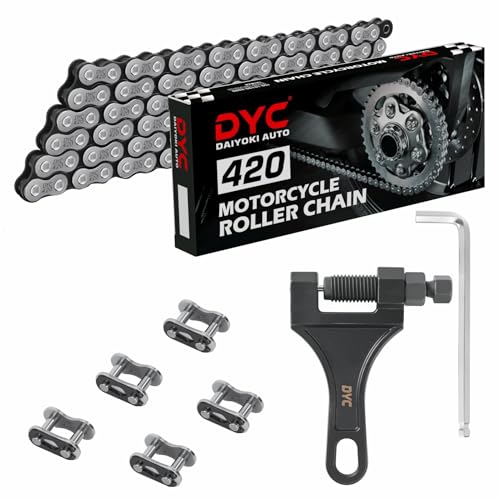
Standard bicycle chains may not handle the higher tensile demands and motor torque of electric drivetrains. Dedicated e-bike chains feature reinforced plates and hardened carbon steel construction to manage extra stress. High-power builds or models similar to an electric dirt bike for adults require heavy-duty chain ratings rather than standard commuter chains. Always check your motor output and manufacturer ratings before selecting a replacement.
How do I know when my bike chain is worn out?
A chain wear indicator tool provides the most accurate measurement of link stretch over time. Bicycle chains stretch as the internal pins and bushings wear down from friction and road grit. If a chain shows wear beyond 0.75 percent on a chain gauge, replace it promptly. Replacing a worn chain early prevents premature damage to your cassette teeth and chainrings.
Are missing links or quick links reusable after removal?
Reusability depends entirely on the specific manufacturer specifications of the connecting link. Some brands design their quick links for multiple removal cycles, while others recommend single-use links for safety. Product descriptions will note whether the included connector is reusable. When in doubt, inspect the connector plates for distortion before reinstalling.
What does the 1/2″ x 3/32″ measurement represent on a chain listing?
The first number indicates the chain pitch while the second number represents the internal roller width. A 1/2-inch pitch means the distance between each chain pin measures half an inch. The 3/32-inch measurement defines the internal clearance between the inner link plates. This specific width matches standard 6, 7, and 8-speed derailleur systems.



Write Your Review
No reviews yet. Be the first to share your experience!