


Selecting a Dependable Drivetrain Chain for Everyday Riding
Daily riding puts steady stress on every drivetrain component, turning minor chain wear into frustrating slip or stiff shifting. Commuters rely on smooth chain movement to navigate city traffic without unexpected chain drops or mechanical delays. Identifying the best chain bike for commuting starts with verifying whether your bicycle uses a single-speed hub or a multi-speed derailleur system. Riders outfitting an urban utility setup often balance drivetrain maintenance alongside accessories like a bike basket for commuting to handle everyday cargo. Matching your chain width, usually 1/8 inch for single-speed setups or 3/32 inch for multi-speed cassettes, keeps links meshing cleanly with your chainring teeth.
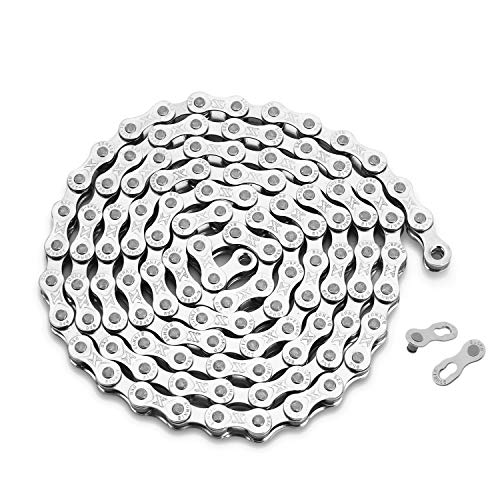
Chain replacement kits frequently package dedicated links, breaker tools, and quick connectors to simplify home garage servicing. High tensile strength and sturdy carbon steel plates help resist stretching under repetitive stop-and-go pedal pressure. Pre-greased links reduce early friction, though commuters still need routine cleaning after wet weather rides. Taking time to count your current chain links ensures your replacement fits without pulling your derailleur cage too tight. Verifying these dimensional details beforehand prevents costly drivetrain wear and keeps daily transit quiet, smooth, and dependable.




Frequently Asked Questions
How do you determine the correct chain width for your commuter bike?
Check your rear cassette or freewheel cog count to find the matching chain width. Single-speed, cruiser, and BMX drivetrains typically use a 1/2-inch by 1/8-inch chain, while multi-speed systems with 6, 7, or 8 gears require a narrower 1/2-inch by 3/32-inch chain. Installing a wider chain on a multi-speed derailleur can cause severe rubbing against adjacent cogs. Always inspect your existing chain markings or rear gear count before ordering a replacement.
Can you use a single-speed chain on a multi-speed commuter bicycle?
No, a single-speed chain will not operate correctly on a multi-speed drivetrain. Single-speed chains are 1/8 inch wide, making them too thick to pass cleanly through a modern rear derailleur cage or between cassette cogs. Running an oversized chain leads to persistent chain rub, shifting failure, and potential drivetrain binding. Multi-speed commuters need chains specifically sized for their 6, 7, 8, or higher gear systems.
What tools do you need to install a bicycle chain replacement?
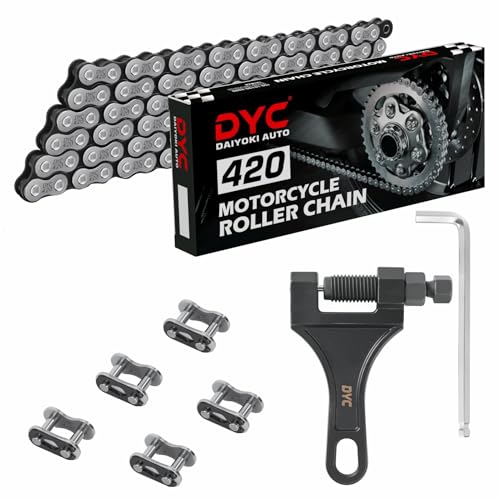
Most standard chain installations require a chain breaker tool to drive out pins and size the chain to length. Quick-link pliers also make connecting and opening reusable master links much faster. Many replacement packages, such as dedicated repair kits, supply these tools together with replacement links. Riders who carry commuter gear in a smart bike basket often keep a mini tool kit on hand for quick roadside adjustments.
How often should a daily commuter lubricate and clean a bicycle chain?
Routine cleaning and lubrication are recommended every 100 to 150 miles for dry pavement riding, or immediately following wet and gritty commutes. Road grit combines with chain lubricant to form an abrasive paste that grinds down pins and bushings. Wiping the chain exterior clean and applying dedicated bicycle chain lube preserves smooth shifting. Allowing excess lube to remain on outer plates attracts dust, so wipe off excess surface oil after application.
How do you know when your commuter bike chain needs replacement?
A chain wear indicator tool provides the most accurate way to check for link elongation, commonly called chain stretch. Replacing a chain before it reaches 0.75 percent wear prevents accelerated tooth wear on your expensive cassette and chainring. Visual cues like skipping under heavy pedal loads, sluggish gear changes, and persistent squeaking also indicate significant wear. Replacing your chain promptly saves money by prolonging the lifespan of your entire drivetrain.



Write Your Review
No reviews yet. Be the first to share your experience!