


Selecting the Right Drivetrain Chain Replacement
Riding with a stretched or worn chain leads to sluggish gear engagement, annoying slipping, and accelerated wear across your cassette teeth. Selecting the best qlaway chain bike solution starts with identifying your specific rear gear count and cog spacing rather than guessing on sizing. Modern bicycles use distinct internal chain widths, so an eight-speed chain won’t mesh properly if fitted onto a dedicated single-speed setup. Whether you need a replacement for daily commuting or want to compare an ilm chain bike setup, confirming your chain pitch and link count keeps your pedals turning smoothly.
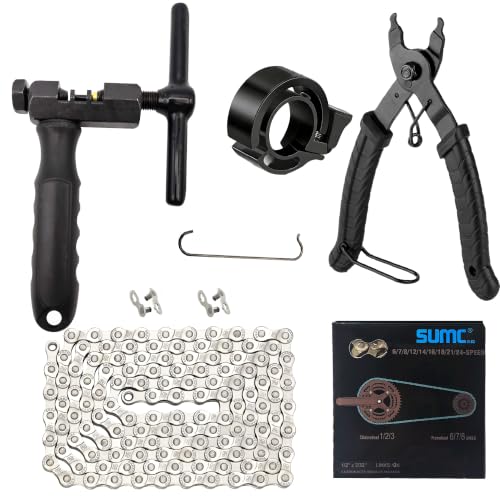
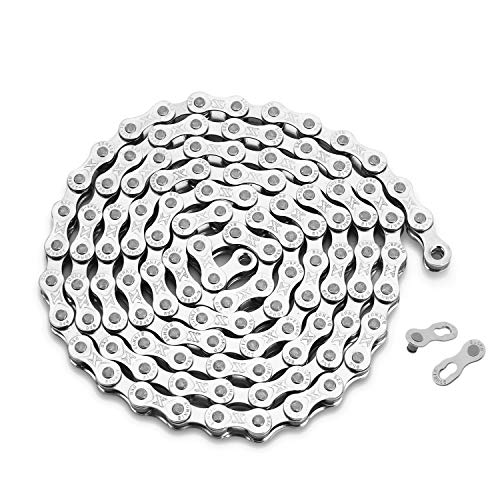
Single-speed setups, cruisers, and BMX models typically rely on wider 1/2-inch by 1/8-inch dimensions, while derailleur systems spanning 6, 7, and 8 speeds demand narrower 1/2-inch by 3/32-inch profiles to clear adjacent cogs. Many repair packages also bundle practical accessories like chain breakers, master link pliers, and quick connectors, so you don’t have to hunt down separate shop tools. Taking a quick minute to verify your existing link count and connector style ensures a straightforward installation that restores crisp pedaling response and dependable drivetrain operation.





Frequently Asked Questions
How do I know if a bike chain is compatible with my drivetrain?
Drivetrain compatibility depends primarily on the number of rear gears and internal chain width. Single-speed bikes, cruisers, and BMX setups generally take a 1/2-inch by 1/8-inch chain, while 6, 7, and 8-speed derailleur systems require a narrower 1/2-inch by 3/32-inch chain. Always check your bike’s rear cog count and match it to the chain’s listed speed rating before buying.
What is the difference between a single-speed and an 8-speed bike chain?
The primary difference lies in the external and internal width of the chain links. A single-speed chain measures 1/8 inch internally and features thicker plates to handle direct tension, whereas an 8-speed chain measures 3/32 inch to shift cleanly across closely spaced cassette sprockets. Running a single-speed chain on a multi-speed cassette will jam against the cogs and derailleur cage.
Can I use an e-bike chain on a standard manual bicycle?
Yes, you can use an e-bike rated chain on a standard bike as long as the speed rating and width match. E-bike chains often include higher tensile strength and extra links, such as 126 links, to accommodate longer chainstays and motor torque. While heavier power outputs like those on an electric dirt bike for adults require specialized heavy-duty drives, standard pedal-assist commuter bikes work well with reinforced multi-speed bicycle chains.
Do bicycle chains come with quick links included?
Many modern replacement chains and repair kits bundle reusable or single-use master links for easy tool-free joining. However, basic replacement chains may require a traditional chain rivet tool to push pins into place. Check the product listing details to confirm whether connecting links or dedicated link pliers are included in the package.
How do I determine the correct length for a new bicycle chain?
The simplest method is counting the exact link count of your old, properly sized chain before removing it. Alternatively, wrap the new chain around the largest front chainring and largest rear cog without threading through the derailleur, then add two links. You can then use a standard chain breaker tool to trim any excess links to fit your specific frame geometry.
How often should I lubricate my new Best Qlaway Chain Bike chain?
Regular riding generally calls for lubrication every 100 to 150 miles, or sooner if you ride in rain, mud, or dusty conditions. Always wipe off excess surface oil with a clean rag after applying chain lube to prevent dirt from clinging to the outer plates. A clean, properly lubricated chain minimizes wear on your chainrings and rear sprockets throughout 2026.



Write Your Review
No reviews yet. Be the first to share your experience!