


Drivetrain Durability and E-Bike Chain Selection
High-torque electric setups and commuter drivetrains place unique stresses on link plates, rollers, and connecting pins. Riders frequently encounter snapped links, accelerated drivetrain wear, or noisy pedaling when using a standard bicycle chain on a motorized platform. Identifying the best ridstar chain bike replacement requires matching the exact link pitch, chain width, and plate thickness to handle the motor output of your ride. Comparing these options with other models, such as our guide to the best ilm chain bike setups, shows how critical tensile strength is for long-term reliability. A properly sized chain keeps power delivery consistent and reduces premature wear across your rear cog and front chainring.
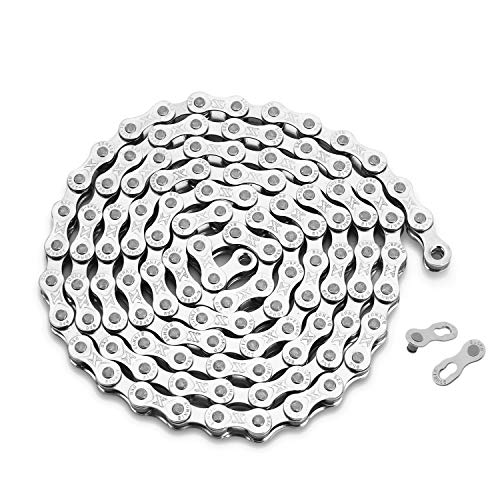
Selecting the right chain also depends on whether your setup runs a single-speed configuration or utilizes a multi-speed derailleur. Chains rated for 6-speed to 8-speed drivetrains feature narrower external plates that allow smooth clearance across tight sprockets. Conversely, dedicated single-speed chains like 1/2″ x 1/8″ options offer beefier steel construction suited for direct-drive hubs. Always verify the total link count and master link design on your current setup before installing a replacement to ensure proper tension.




Frequently Asked Questions
What chain size does a Ridstar electric bike typically require?
Most Ridstar electric bikes use either a single-speed heavy-duty chain or a 7-speed drivetrain chain, depending on the specific model. For instance, the Ridstar Q20 often utilizes dedicated heavy-duty carbon steel chains designed to withstand motor torque. Always measure the internal width and count the total links on your original chain to verify exact fitment before buying.
Can I use a standard bicycle chain on a high-powered electric bike?
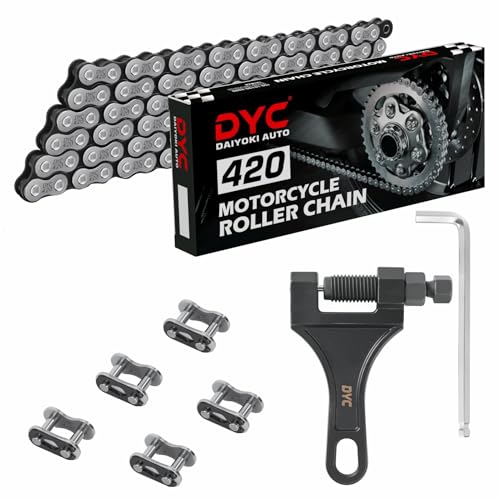
Standard bicycle chains are often inadequate for high-powered electric motors because motor torque can stretch or snap lighter plates. Heavy-duty e-bike chains feature reinforced carbon steel pins and higher tensile strength ratings, often exceeding 2,000 pounds. Using an under-rated chain on heavy platforms like an electric dirt bike for adults or a moped-style commuter risks sudden chain failure during hard acceleration.
What is the difference between 1/2″ x 1/8″ and 1/2″ x 3/32″ bike chains?
The difference lies in the internal roller width and derailleur compatibility. A 1/2″ x 1/8″ chain is wider and built primarily for single-speed setups, BMX bikes, and internal gear hubs. In contrast, 1/2″ x 3/32″ chains are narrower to shift across 6-speed, 7-speed, or 8-speed cassette sprockets without binding.
How do I determine the correct link count for my replacement chain?
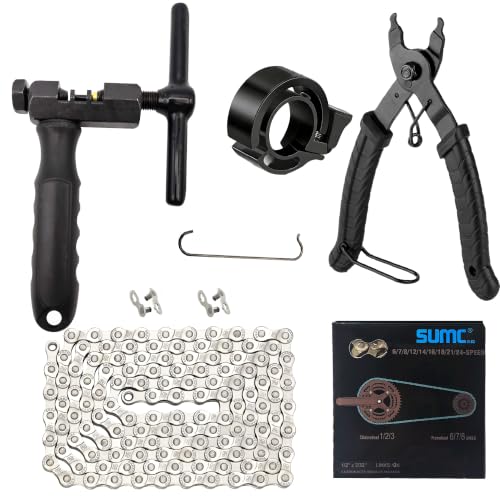
You should count the outer and inner links of your existing chain before discarding it. Replacement chains typically ship with 112 to 116 links, which means you may need a chain breaker tool to shorten the new chain to match. Laying both chains flat on a clean surface provides an accurate visual reference to account for chain stretch.
Does a new chain come with a master link for installation?
Many replacement chains include a quick link or connecting pin, but packaging contents vary across manufacturers. Some kits supply reusable chain buckles, pliers, and breakers, while basic chains might only include a standard push pin. Check the specific product listing details to confirm whether a master link is included or if you need to purchase one separately.
How often should I lubricate and inspect a bicycle chain?
You should clean and lubricate your chain every 100 to 150 miles of riding, or sooner if you encounter rain, mud, or road grit. Regular inspection helps you identify stiff links, rust spots, and link elongation before they accelerate wear on your chainrings. Applying a dedicated bicycle chain lubricant and wiping away excess oil keeps the drivetrain quiet and efficient.



Write Your Review
No reviews yet. Be the first to share your experience!