


Upgrading Your Bicycle Chain for Reliable Shifting
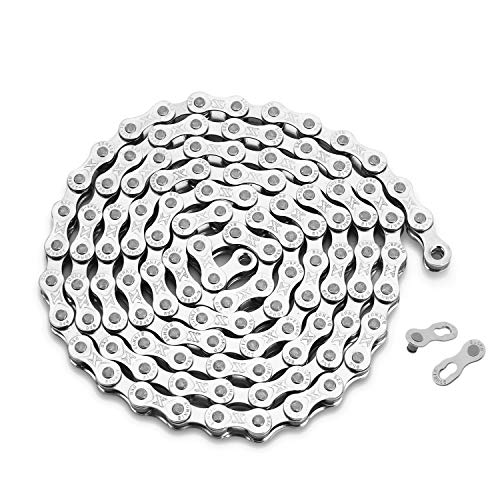
Matching a replacement chain to your bicycle drivetrain requires checking speed counts, inner widths, and link lengths before purchase. Installing the wrong width doesn’t just cause noise; it can lead to poor shifting, slipping gears, or premature wear across your cassette cogs and chainrings. Riders shopping for the best upgraded chain bike components often look for sturdier steel construction, corrosion protection, or pre-installed quick links for cleaner maintenance. If you are comparing specific builds, reviewing guides like the best ilm chain bike options can help clarify component sizing across different recreational platforms.
Chain selection also depends heavily on whether you ride a traditional multi-speed derailleur bicycle, a single-speed cruiser, or a high-torque electric model. Heavy-duty e-bikes and motorized dirt bikes put significant strain on links, requiring carbon steel pins and reinforced side plates. Comparing listed product specifications, such as whether a chain fits 6, 7, or 8 speeds versus dedicated single-speed sprockets, ensures you get a smooth-running drivetrain that holds up under regular pedaling loads.





Frequently Asked Questions
How do I know which speed chain matches my bicycle?
Check the number of rear cogs on your cassette or freewheel. A bike with 7 rear cogs needs a 6/7/8-speed compatible chain because chains narrow as the speed count increases. Installing an improper width prevents the chain from engaging the cogs smoothly, which leads to chain rub or missed shifts. Always verify your rear gear count before placing an order.
Can I use a single-speed chain on a multi-speed derailleur bicycle?
No, standard single-speed chains are too wide for multi-speed drivetrains. Single-speed chains typically measure 1/2″ x 1/8″, whereas 6, 7, and 8-speed derailleur chains measure 1/2″ x 3/32″ or narrower. A wider chain will jam between the rear cogs and derailleur cage pulleys. Multi-speed setups require specific narrow outer dimensions to move freely between gears.
What makes a heavy-duty chain different for electric dirt bikes?
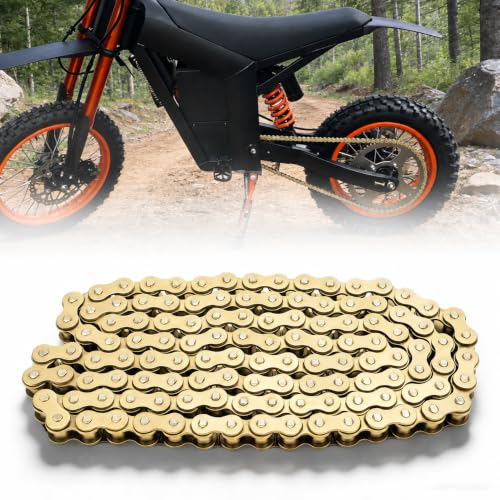
Electric dirt bike chains use thicker carbon steel plates and reinforced pins to withstand continuous motor torque. When looking at higher-powered rides similar to an electric dirt bike for adults, standard bicycle chains can stretch or snap under rapid acceleration. Dedicated replacement chains for models like the Ridstar Q20 or Tuttio Soleil feature heavier links designed specifically for motorized drivetrains. Always verify the exact model fitment from the manufacturer listing.
How many links should my replacement bicycle chain have?
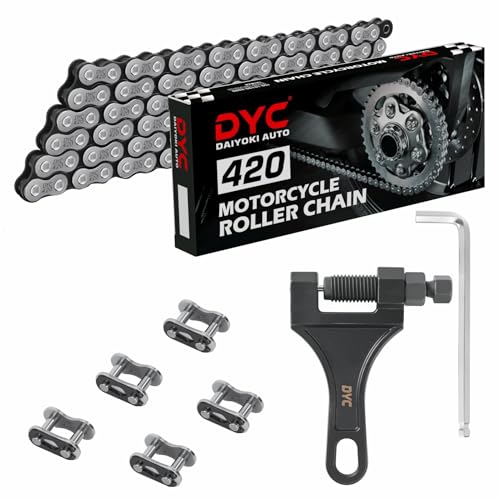
Most replacement chains come with 112 to 116 links, which fits the majority of adult bicycles. You will usually need to size the new chain down to match your existing chain length using a chain breaker tool. Installing a chain that is too long causes excessive slack and chain drop, while a chain that is too short can damage your rear derailleur. Count the outer and inner links of your old chain before trimming.
What is the purpose of a quick link or master link?
A quick link allows you to connect and disconnect a bicycle chain without pressing pins directly through the outer plates. Many modern chains include reusable or single-use connecting links to simplify routine cleaning and trailside repairs. Using dedicated link pliers makes popping the plates open or locking them into place much easier. Check the product packaging to confirm whether connectors are included.
How often should I lubricate my bicycle chain?
Most recreational drivetrains benefit from chain lubrication every 100 to 150 miles, or sooner after riding in wet, muddy conditions. Applying quality bicycle lube keeps roller friction low and helps prevent surface oxidation on carbon steel plates. Be sure to wipe away excess lubricant with a rag so grit doesn’t accumulate inside the rollers.


Write Your Review
No reviews yet. Be the first to share your experience!