


Selecting Reliable Bicycle Chains for Smooth Drivetrain Performance
Matching your drivetrain with the correct chain width and link count prevents premature gear wear and frustrating chain skip on your daily rides. Multi-speed drivetrains require narrower outer plates to clear tight cog spacing, while single-speed setups rely on wider, heavier plates for straight-line durability. Riders searching for the best weize chain bike replacements or budget drivetrain hardware often need to confirm whether their cog setup requires a standard one-eighth-inch or three-thirty-seconds-inch internal width. If you maintain multiple bikes, comparing these with alternative components like ilm bike chain options helps clarify how pin dimensions and outer plate profiles vary between manufacturers.
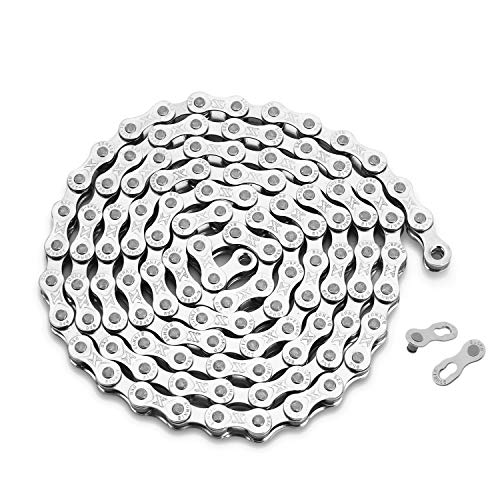
Most replacement bicycle chains arrive with standard lengths between 112 and 116 links, so you’ll usually need a chain tool to trim excess links to match your chainstay length and derailleur capacity. Selecting a chain that includes dedicated master links or quick connectors can save time, especially when you need to remove the chain for thorough degreasing and lubrication. Checking your bicycle’s rear cassette or freewheel speed count before installing a new chain ensures reliable bicycle chain replacement without unexpected indexing headaches. Taking a few moments to measure your existing drivetrain wear also protects your front chainrings from accelerated teeth wear.







Frequently Asked Questions About Bicycle Chains
How do I know if a chain matches my bicycle’s speed count?
Check the number of rear cogs on your cassette or freewheel before buying a replacement chain. Chains designed for 6, 7, and 8-speed drivetrains share similar external widths, typically around 7.1 to 7.3 millimeters, making them cross-compatible across those gear ranges. In contrast, single-speed bicycles require wider chains, usually designated as one-half by one-eighth inch, which cannot pass through multi-speed derailleur cages.
Do replacement bicycle chains come sized ready to ride?
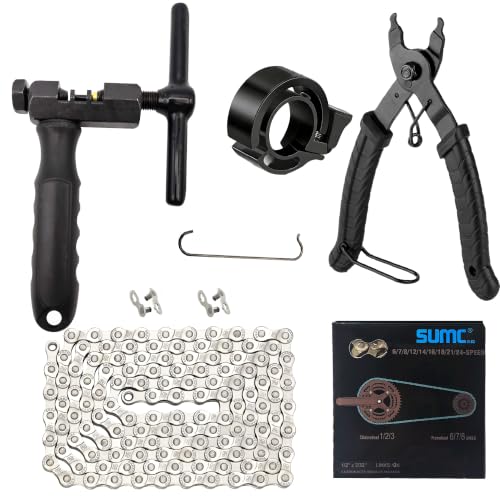
No, standard replacement chains almost always arrive longer than necessary to accommodate various bicycle frame geometries and gearing setups. Most models supply 112, 114, or 116 links, requiring you to count links from your old chain or measure the new chain around the largest cog and chainring. You’ll need an inexpensive chain breaker tool to drive out the necessary pins to achieve the proper tension.
Can I install a single-speed chain on a derailleur-equipped bike?
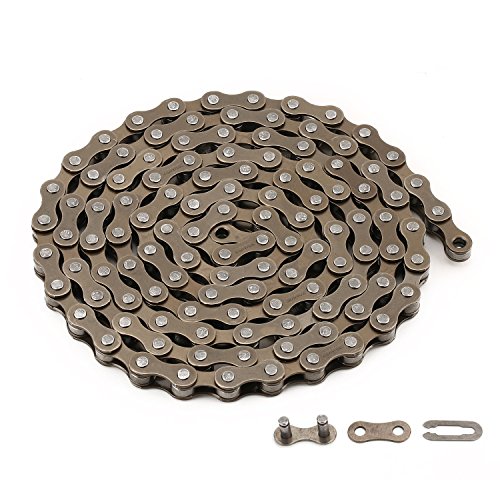
No, you cannot safely use a dedicated single-speed chain on a multi-speed derailleur bicycle. Single-speed chains are built with wider internal and external dimensions that will jam inside the narrow pulley cages of rear derailleurs and bind between cassette cogs. Always select a chain labeled specifically for multi-speed derailleurs if your bicycle features front or rear shifting mechanisms.
How often should I replace my bicycle chain to avoid drivetrain damage?
Bicycle chains typically require replacement every two thousand to three thousand miles, depending on riding conditions, rider power, and lubrication habits. Using a basic chain checker tool helps you detect link pin wear before the chain elongates past 0.75 percent wear. Replacing the chain early prevents excessive wear on expensive rear cassette teeth and front chainrings.
Are master links and quick links reusable when servicing a chain?
Whether a master link is reusable depends on the manufacturer’s design and speed rating. While many single-speed and 6 to 8-speed quick links are explicitly rated for multiple disconnections, higher-speed options often require fresh connectors once unclipped. When maintaining heavier equipment like electric dirt bike drivetrains or high-mileage commuters, always follow the stated link packaging guidelines to prevent connector failure under load.



Write Your Review
No reviews yet. Be the first to share your experience!